
Satisfies 1 requirement
Zirconium Oxide/ Zirconium Dioxide Powder/Zirconia Powder Zro2 with Micron and Nano Size Particle
US$7,150.00-7,860.00
1 Ton(MOQ)

I have found results from3000+products and1000+suppliers aboutBest piezoelectric powder


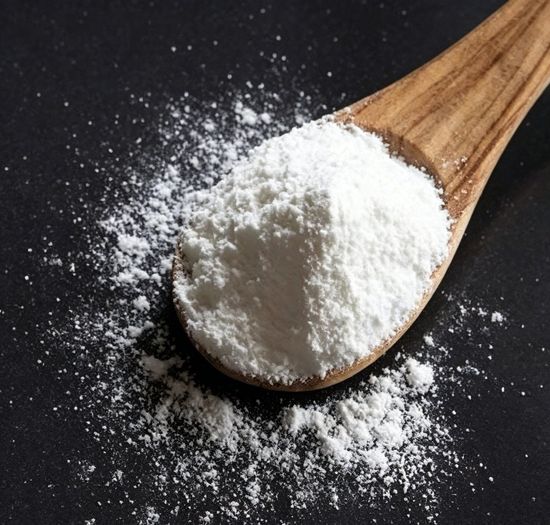


When evaluating piezoelectric powders, you must prioritize the Piezoelectric Charge Constant (d33), which measures the polarization per unit of stress. For high-performance applications, look for values exceeding 300-500 pC/N. Additionally, verify the Curie Temperature (Tc); the powder must have a Tc significantly higher than your application's operating temperature to prevent depolarization. Other critical factors include dielectric constant (εr), electromechanical coupling coefficient (kp), and particle size distribution (D50) to ensure uniform density during sintering.
The industry standard remains Lead Zirconate Titanate (PZT) due to its superior sensitivity and stability. However, due to environmental regulations like RoHS, there is a growing demand for Lead-Free Piezoelectric Ceramics such as Barium Titanate (BaTiO3) or Sodium Potassium Niobate (KNN). You should choose based on whether your target market requires strict environmental compliance or maximum electromechanical efficiency.
For ultrasonic transducers and sensors, high-sensitivity PZT powders are required. For actuators used in precision positioning, powders with low dielectric loss (tan δ) are essential to prevent overheating. If the powder is intended for energy harvesting, focus on materials with a high piezoelectric voltage constant (g33) to maximize energy conversion from mechanical vibrations.
Ensure the manufacturer holds ISO 9001 for quality management systems. For electronic components, SGS or Intertek lab reports confirming RoHS and REACH compliance are mandatory, especially for European and North American markets. Request a Certificate of Analysis (COA) for every batch to verify chemical purity and phase consistency via X-ray Diffraction (XRD).
The main risks include moisture absorption during transit, which can degrade the powder's performance, and batch inconsistency. Always insist on vacuum-sealed, moisture-proof packaging (such as aluminum foil bags). Furthermore, because some high-performance ceramics have dual-use potential, ensure the supplier provides correct HS Codes (typically 3824.99 or 2836.99) to avoid customs delays or export control issues.
Start by requesting a small sample (500g - 1kg) for lab testing before committing to a bulk purchase. Negotiate pricing based on purity levels and particle size customization. Professional buyers should aim for tiered pricing where the unit cost drops by 15-25% when moving from sample quantities to metric ton volumes. Use Made-in-China.com's Secured Trading Service to protect your payment until the goods pass third-party inspection.
Piezoelectric powders are generally classified as non-hazardous chemicals, but they require a Material Safety Data Sheet (MSDS) and a Non-Hazardous Goods Declaration for air or sea freight. For urgent R&D needs, air express (DHL/FedEx) is viable, but for commercial production, Sea Freight (LCL/FCL) is the most cost-effective. Ensure the palletization includes shock-absorption to prevent the powder from compacting into hard lumps during long voyages.
Prioritize Audited Suppliers on Made-in-China.com, as these companies have undergone on-site inspections by third-party agencies like SGS or TÜV Rheinland. Review their Export Experience to your specific country to ensure they understand local customs documentation. Always use Escrow-based payment terms for the first three transactions to mitigate the risk of non-conforming goods.