
Satisfies 1 requirement
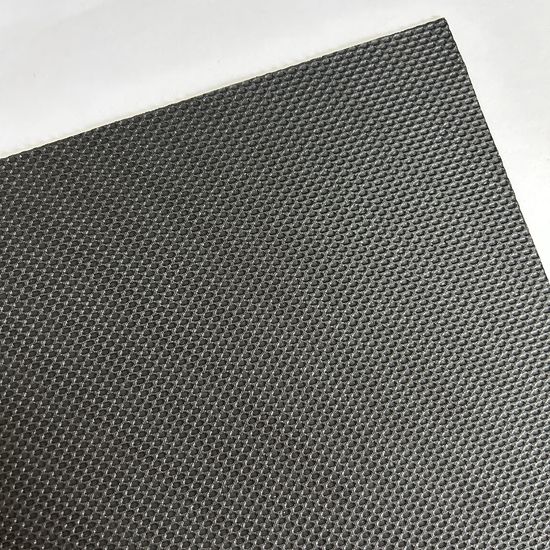
Breathable 3D Air Mesh Polyester Fabric Honeycomb Structure Soft Touch for Office Chair Massage Chair and Car Seat Upholstery Furniture
US$2.81-2.89
1,000 Meters(MOQ)

I have found results from20000+products and10000+suppliers aboutCar seat upholstery fabric




When sourcing car seat fabric, you must prioritize abrasion resistance, typically measured by the Martindale or Wyzenbeek tests. For automotive standards, a rating of 50,000 to 100,000 rubs is recommended. Additionally, ensure the material has high UV resistance (Grade 4-5) to prevent fading under direct sunlight and a weight density of 300-600 gsm for long-term structural integrity.
Safety is paramount in automotive sourcing. The fabric must comply with FMVSS 302 (Federal Motor Vehicle Safety Standard) or ISO 3795 for flammability resistance. For the European market, ensure the materials meet REACH and OEKO-TEX Standard 100 to guarantee the absence of harmful chemicals. If you are supplying to OEMs, look for suppliers with IATF 16949 certification, which is the global quality management standard for the automotive industry.
PVC Synthetic Leather is the most cost-effective and water-resistant option, ideal for commercial vehicles. PU (Polyurethane) Leather offers a softer hand-feel and better breathability, making it suitable for passenger cars. For luxury segments, Alcantara or Microfiber Suede provides superior grip and aesthetics but at a higher price point. Polyester Jacquard fabrics are best for high-ventilation needs and budget-friendly seat covers.
To enhance product value, request anti-fouling and water-repellent (Teflon) coatings. For regions with extreme climates, specify cold-crack resistance (down to -20°C) and hydrolysis resistance (at least 3-5 years for PU materials) to ensure the fabric does not peel or crack over time.
Always request a pre-production sample (PPS) and a third-party lab test report (e.g., SGS or TUV) specifically for colorfastness and tensile strength. Utilize Made-in-China.com's Secured Trading services to ensure that payment is only released after the goods pass a pre-shipment inspection (PSI).
Focus on volume-based pricing tiers; for example, increasing an order from 500 meters to 2,000 meters can often reduce the price by 15-20%. Negotiate for free replacement of defective rolls (usually a 1-3% defect allowance is standard) and ask for customized roll lengths to minimize cutting waste in your production line.
Fabric rolls are prone to moisture and pressure damage. Ensure the supplier uses double-layer packaging (inner plastic film + outer woven bag) and hard cardboard tubes to prevent core collapse. For international shipping, use FOB terms to maintain control over freight costs, and ensure the HS Code (typically 5903 for coated fabrics) is correctly declared to avoid customs delays or incorrect duty charges.
Prioritize Audited Suppliers who have undergone on-site verification by independent inspection companies. Check their Business License, Export License, and Quality Management Certificates. Review their transaction history and buyer feedback specifically regarding lead time consistency, as automotive supply chains are highly sensitive to delays.