
Satisfies 1 requirement
Premium Frozen Chili Rings at Competitive Prices for Global Buyers
US$1,000.00-1,200.00
12 Tons(MOQ)

I have found results from2000+products and900+suppliers aboutChilli buyers exporters


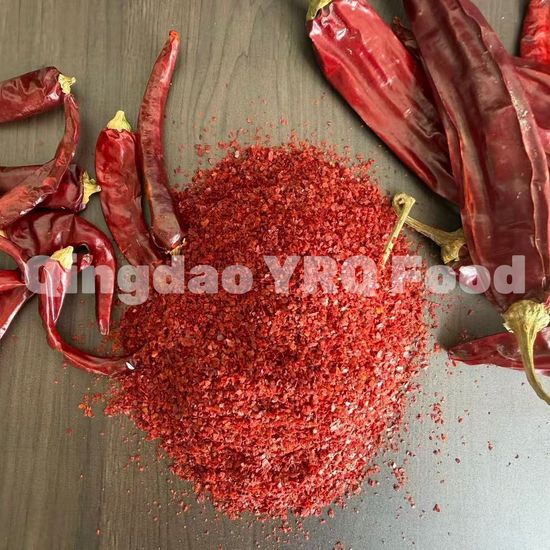


When sourcing chillies, the primary quality indicator is the Scoville Heat Unit (SHU), which measures pungency. Buyers must request HPLC (High-Performance Liquid Chromatography) testing to verify capsaicin content. Additionally, evaluate the ASTA color value for dried chillies or powders, as vibrant red indicates freshness and proper drying. Ensure the moisture content is strictly below 12% to prevent mold growth during long-term transit.
To ensure food safety and market entry, prioritize suppliers with HACCP, ISO 22000, or BRC (British Retail Consortium) certifications. For specific markets like the EU or USA, chillies must pass Aflatoxin and Ochratoxin A limit tests, as well as Sudan Dye (I-IV) screening to ensure no illegal colorants are used. Always verify that the product meets Phytosanitary Certification requirements from the exporting country's agricultural department.
Chillies are highly sensitive to moisture and light. For bulk exports, use PP woven bags with inner liners or vacuum-sealed aluminum foil bags for powders to preserve aroma and heat. Storage facilities must be cool, dry, and well-ventilated, ideally maintained at 5°C to 15°C. Ensure the supplier uses palletized shipping to prevent direct contact with container floors, reducing the risk of dampness.
Procurement costs are heavily influenced by seasonal harvests. It is most economical to sign annual volume contracts during the peak harvest season (typically Jan-March in many regions) to lock in lower prices. Additionally, sourcing from direct manufacturers or farm cooperatives on platforms like Made-in-China.com can reduce middleman markups by 15-20%. Always calculate the landed cost, including freight and import duties, rather than just the FOB price.
The most significant risks include pesticide residue non-compliance and weight loss due to moisture evaporation. To mitigate these, mandate SGS or Intertek third-party inspections at the loading port to verify weight, quality, and chemical residues before final payment. Use Escrow services or Letters of Credit (L/C) to ensure payment is only released upon confirmation of compliant shipping documents.
Focus on transparency regarding the crop year. Negotiate for free samples from the current batch before placing a bulk order. For long-term partnerships, request flexible payment terms such as 30% deposit and 70% against the Bill of Lading (B/L). Emphasize your projected annual volume to secure 'Preferred Buyer' pricing tiers.
For sea freight, always use Dry Van containers with moisture-absorbing silica gel bags or Reefer containers for high-value fresh chillies. Ensure the Incoterms are clearly defined; CIF (Cost, Insurance, and Freight) is often preferred for new buyers as the seller handles the complex logistics and insurance until the port of destination. Always check the import tariff codes (HS Code 0904) for your specific country to avoid customs delays.