
Satisfies 1 requirement
Forst Best Price Spray Booth Rolls Fiber Glass Filtration
US$0.60
100 Square Meters(MOQ)

I have found results from100000+products and50000+suppliers aboutFiberglass glass fiber price
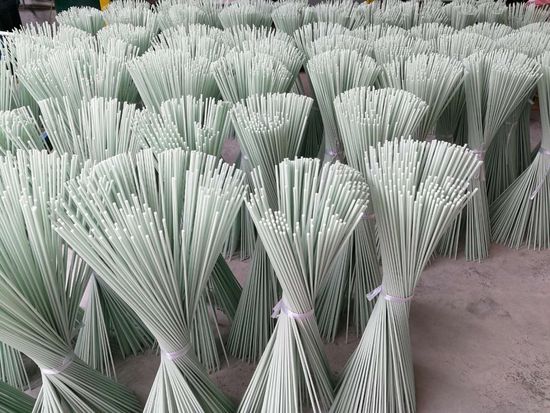


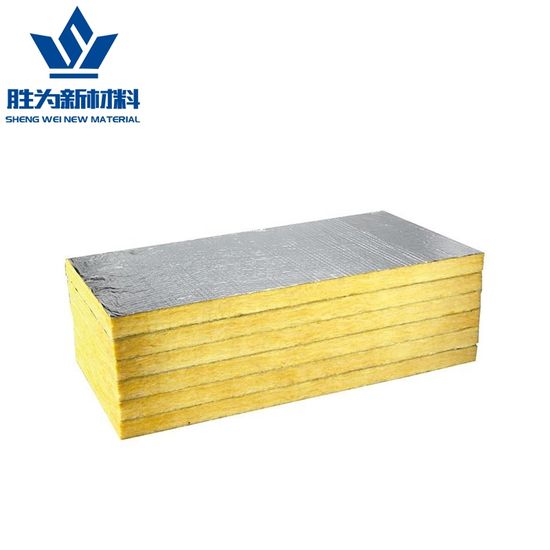


When sourcing fiberglass, the price is heavily influenced by the glass type (E-Glass, C-Glass, or S-Glass). E-Glass is the industry standard for general reinforcement due to its excellent electrical insulation and cost-effectiveness. You must also specify the form of the fiber, such as chopped strands, roving, or woven fabric, as processing costs vary. Additionally, pay attention to the filament diameter (measured in microns) and the tex (weight in grams per 1000 meters), as these directly impact the mechanical strength and resin consumption of your final product.
To ensure market access and safety, verify that the supplier meets ISO 9001:2015 for quality management. For construction applications, products should adhere to ASTM D578 or EN 14020 standards. If the fiberglass is intended for the electronics industry, RoHS and REACH compliance are mandatory to ensure the absence of hazardous substances. Always request a Material Safety Data Sheet (MSDS) and a Certificate of Analysis (COA) for every batch to validate chemical composition and physical properties.
Economic feasibility is driven by the Total Cost of Ownership (TCO), which includes the base price, packaging (e.g., palletized vs. bulk bags), and moisture protection. Fiberglass is sensitive to humidity; therefore, investing in high-quality moisture-proof packaging prevents material degradation during sea transit, saving costs on waste. Furthermore, sourcing from clusters like those found on Made-in-China.com allows for competitive pricing due to economies of scale and integrated supply chains.
Fiberglass is highly versatile: Alkali-resistant (AR) glass is essential for GRC (Glass Fiber Reinforced Concrete) to prevent corrosion from cement. For high-performance aerospace or military applications, S-Glass is required for its superior tensile strength. In the automotive and wind energy sectors, Direct Roving is preferred for its high compatibility with epoxy or polyester resins, ensuring structural integrity in large-scale moldings.
The most significant risks include moisture absorption during transit and mechanical damage to the fiber structure. Ensure the supplier uses vacuum-sealed plastic wrapping and reinforced pallets. Another risk is specification mismatch; always request a pre-shipment sample to test the sizing (chemical coating) compatibility with your specific resin system, as incompatible sizing can lead to delamination.
Negotiations should focus on volume-based tiered pricing. For orders exceeding 20 tons (a full container load), you can typically negotiate a 5-10% discount. Discuss payment terms such as LC (Letter of Credit) or TT (Telegraphic Transfer) with a 30% deposit and 70% against the Bill of Lading to balance risk. On Made-in-China.com, look for 'Audited Suppliers' to ensure you are dealing with factories rather than small trading companies to get better factory-direct pricing.
Due to its weight and volume, Sea Freight (FCL - Full Container Load) is the most economical method. Ensure the shipping marks clearly state 'Keep Dry' and 'Handle with Care'. For urgent R&D samples, Air Freight is viable, but ensure the packaging complies with IATA regulations regarding non-flammable solids. Always clarify Incoterms; FOB (Free On Board) is generally preferred for buyers who have their own freight forwarders to control costs.
Utilize Secured Trading Services provided by platforms like Made-in-China.com to protect your payment until delivery. For quality assurance, hire a third-party inspection agency (like SGS or Intertek) to perform a Loading Supervision and a Random Sampling Test at the factory. This ensures the fiberglass weight, tex, and moisture content meet the agreed-upon specifications before the balance payment is made.