
Satisfies 1 requirement
Heavy-Duty Ton Bag-1 Ton Capacity Bulk FIBC (Flexible Intermediate Bulk Container) - Versatile and Durable Woven Bag for Granules, Powders, Sand, Grains
US$1.30-4.90
1,000 Pieces(MOQ)

I have found results from3000+products and1000+suppliers aboutHoist fitness equipment


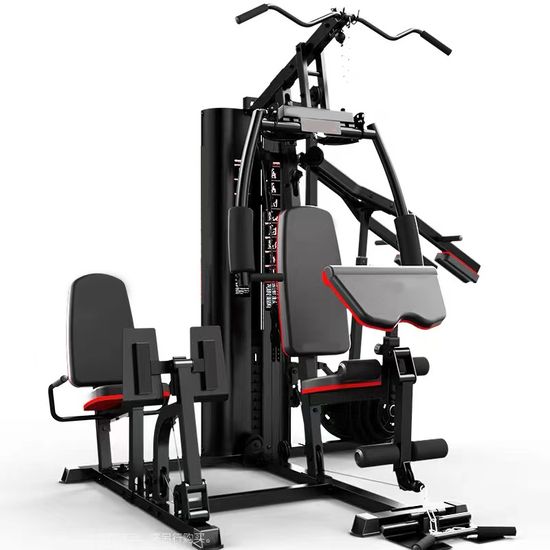


When evaluating high-end strength training gear, focus on structural steel thickness (minimum 11-gauge/3mm) to ensure commercial-grade durability. Look for Silent Steel™ technology or high-quality weight stack bushings that reduce noise and friction. Ensure the equipment utilizes aircraft-quality cables with a minimum breaking strength of 2,000 lbs and fiberglass-reinforced nylon pulleys for smooth movement. For upholstery, specify double-stitched industrial vinyl with antimicrobial coatings to withstand high-traffic gym environments.
Suppliers must adhere to EN ISO 20957 (the international standard for stationary training equipment) and CE marking for the European market. For North American distribution, ensure compliance with ASTM F1250 safety standards. Additionally, verify that all electronic components in motorized units (like treadmills or digital consoles) carry RoHS and FCC/UL certifications to ensure user safety and electromagnetic compatibility.
Hoist is famous for its ROX (Ride-Oriented-Xercise) technology, where the user becomes an integral part of the exercise by moving the seat. To verify this in a B2B context, request biomechanical testing reports or video demonstrations of the pivot points. Ensure the equipment offers multiple adjustment points (gas-assisted seats are preferred) to accommodate a wide range of user heights (5th to 95th percentile) and maintain proper spinal alignment throughout the range of motion.
Commercial fitness equipment requires a preventative maintenance schedule. Guide your selection toward suppliers who provide detailed O&M (Operation & Maintenance) manuals. Key requirements include weekly lubrication of guide rods with silicone-based spray, monthly cable tension inspections, and quarterly bolt tightening. Choosing equipment with sealed ball bearings is highly recommended as they require significantly less maintenance over their lifecycle.
Due to the high weight and volume, Sea Freight (FCL - Full Container Load) is the most economical method. Ensure the supplier uses reinforced wooden crates or palletized 'knock-down' (KD) packaging to prevent frame scratching or bending during transit. It is critical to purchase Marine Cargo Insurance covering 110% of the CIF value to protect against damage during loading or rough seas.
Focus on Total Cost of Ownership (TCO) rather than just the unit price. Negotiate for 2-5% wear-and-tear spare parts (such as extra cables, pop-pins, and pulleys) to be included for free in the initial order. For large-scale gym fit-outs, request volume discounts of 10-20% and ask for OEM/branding services (custom logo embroidery on pads) to be bundled into the price.
Always utilize Trade Terms that offer payment protection, such as those found on Made-in-China.com, which provide escrow-like services. Conduct a third-party factory audit before the final payment to verify that the finished goods match the approved sample. Never wire 100% of the funds upfront; a standard 30% deposit and 70% balance against the Bill of Lading (B/L) is the industry norm for established buyers.
Be aware of Anti-Dumping Duties (ADD) or specific tariffs on steel products that may apply to fitness equipment in certain regions. Check the HS Code (typically 950691) against your country's tariff schedule. Ensure the supplier provides a Certificate of Origin (CO), which may allow you to benefit from Free Trade Agreements (FTA) and significantly reduce import duties.