
Satisfies 1 requirement
Portable Rebar Steel Cutting Hydraulic Iron Cutter
US$15.00-50.00
1,000 Pieces(MOQ)

I have found results from100000+products and50000+suppliers aboutHydraulic steel cutter


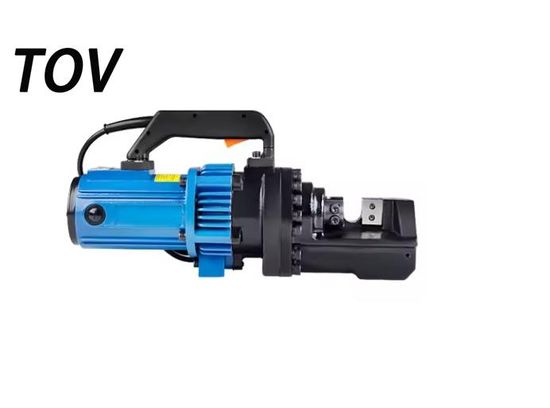


Buyers must prioritize cutting capacity (diameter range) and output force (measured in tons). For standard construction rebar, a tool with at least 12-16 tons of pressure is recommended. Additionally, check the blade material; high-quality cutters use forged alloy steel or tungsten steel that has undergone vacuum heat treatment to ensure longevity and prevent chipping during heavy-duty use.
Manual hydraulic cutters are cost-effective and ideal for sites without power, but electric (corded) models offer higher efficiency for high-volume production lines. Battery-powered (cordless) units provide maximum portability for field repairs. Ensure the motor power (typically 800W-1500W) and cycle time (seconds per cut) align with your operational throughput requirements.
For the European market, CE certification is mandatory to ensure compliance with the Machinery Directive 2006/42/EC. For North America, look for UL or CSA standards regarding electrical components. It is critical to verify that the supplier provides an ISO 9001:2015 certified manufacturing process and a Pressure Vessel Test Report to guarantee the hydraulic cylinder's safety under high load.
Look for models equipped with an automatic pressure release valve to prevent overloading and a 360-degree rotatable head for versatile cutting angles. High-end suppliers on Made-in-China.com often include replaceable blade sets and easy-access oil filler ports, which significantly reduce long-term maintenance downtime and extend the product's lifecycle.
Always request a Pre-Shipment Inspection (PSI). You should specifically ask the inspector to perform a load test (cutting the maximum rated diameter 10 times consecutively) and check for oil leakage around the seals. Utilizing Made-in-China.com's Secured Trading services can provide an extra layer of payment protection until the quality is verified.
Focus on the Total Cost of Ownership (TCO) rather than just the unit price. Negotiate for extra wear parts (blades and seal kits) to be included in the initial bulk order. For orders exceeding 50 units, aim for a 10-15% discount or request OEM branding/customized color schemes at no additional cost to enhance your brand's market presence.
Hydraulic tools contain mineral oil, which may be classified as liquid/hazardous goods by some carriers. Ensure the supplier uses seaworthy wooden box packaging to prevent impact damage and provides a Material Safety Data Sheet (MSDS) for the hydraulic fluid to avoid customs delays. For urgent stock, consider air freight with 'oil-removed' units to simplify shipping regulations.
Verify the supplier's Audit Reports and Business License on the platform. Prioritize 'Audited Suppliers' who have undergone on-site verification by third-party agencies like SGS or Bureau Veritas. Always use formal Proforma Invoices (PI) that clearly state the warranty period (ideally 12 months) and the specific Incoterms (e.g., FOB or CIF) to define liability during transit.