
Satisfies 1 requirement
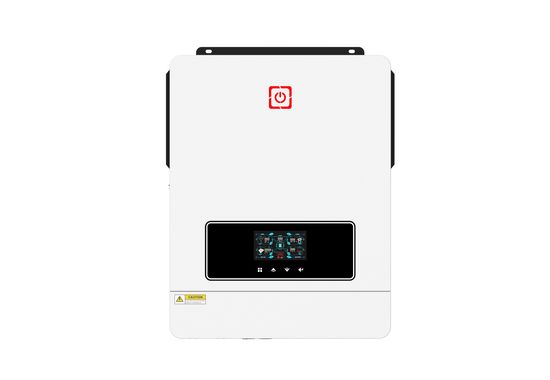
Best Price Growatt Hybrid Solar Inverter Spe 8000-12000 Es on Grid 2 MPPT, Parallel Support, Li/Lead-Acid Compatible
US$459.00
1 Piece(MOQ)

I have found results from100000+products and30000+suppliers aboutMppt solar inverter price




When assessing price points, you must look beyond the sticker cost and evaluate the MPPT Efficiency (ideally >99%) and the Conversion Efficiency (typically >97%). Higher-priced models often feature a wider MPPT Voltage Range, which allows the system to start generating power earlier in the morning and stop later in the evening. Additionally, check the Surge Power Capacity (usually 2x or 3x the rated power) to ensure it can handle motor-driven loads like pumps or air conditioners.
Compliance is non-negotiable for cross-border trade. Ensure the inverter carries CE (LVD/EMC) for the European market, UL 1741 for the North American market, or IEC 62109 for international safety standards. Inverters with Grid-Tie certifications (like IEEE 1547) are generally more expensive due to the rigorous anti-islanding protection tests required. Purchasing non-compliant units can lead to customs seizures or the inability to connect to the local utility grid.
The cooling method significantly affects the price and lifespan. Fanless (Natural Convection) cooling is common in premium, lower-wattage units for silent operation and longevity, while Intelligent Forced Air Cooling is standard for high-power units. Ensure the unit has an IP65 rating if it is to be installed outdoors. Investing in a higher Ingress Protection (IP) rating prevents dust and moisture ingress, reducing the Total Cost of Ownership (TCO) by minimizing maintenance and premature failure.
Modern MPPT inverters should be Battery Independent or compatible with both Lead-Acid and Lithium (LiFePO4) batteries. High-end models include a BMS (Battery Management System) Communication Port (RS485/CAN), which allows the inverter and battery to 'talk' to each other. This integration ensures safer charging and longer battery life, though it may command a 10-15% price premium over basic models.
The biggest risks include counterfeit MPPT controllers (where a cheaper PWM controller is disguised as MPPT) and under-rated power capacity. To mitigate this, always request a video of a full-load test and verify the supplier's Business License and Export Qualifications on Made-in-China.com. Ensure the supplier provides a Factory Audit Report to confirm they are a manufacturer rather than a small trading company.
Negotiate based on Volume Tiers; for example, a 50-unit order should yield a 5-8% discount compared to a sample order. Instead of just pushing for the lowest price, negotiate for a longer warranty period (e.g., extending from 2 years to 5 years) or the inclusion of 2% free spare parts (like mainboards or fans) with the shipment. This provides better security for your after-sales service in your local market.
Solar inverters contain sensitive electronics and heavy transformers; therefore, Sea Freight with Palletization is recommended to prevent impact damage. Use Secure Payment Terms such as Letters of Credit (L/C) for large volumes or Trade Assurance services provided by Made-in-China.com to ensure your funds are protected until the goods are shipped. Always insist on Insurance (CIF terms) to cover potential damage during transit.