
Satisfies 1 requirement
Well Tested Carbide Downhole Drilling Tubing Protector Component in Oil
US$8.00-50.00
2 Pieces(MOQ)

I have found results from100000+products and30000+suppliers aboutOil well drilling chemical


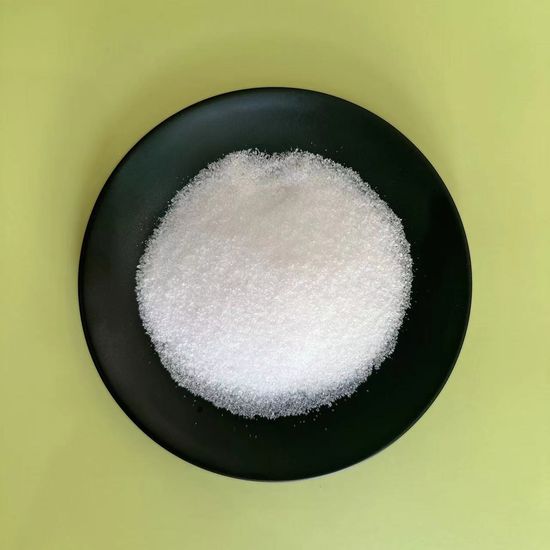
Drilling chemicals are categorized by their specific roles in the wellbore. You must prioritize Weighting Agents (like Barite) to control formation pressure, Viscosifiers (such as Bentonite or Xanthan Gum) for cuttings transport, Filtration Control Agents to prevent fluid loss into the formation, and Lubricants to reduce torque and drag. For high-temperature wells, ensure you select Thermal Stabilizers that maintain chemical integrity above 150°C.
The gold standard for the oil and gas industry is the API (American Petroleum Institute) Spec 13A. Ensure your supplier provides COA (Certificate of Analysis) and MSDS (Material Safety Data Sheet) for every batch. For offshore operations, chemicals must often meet OCNS (Offshore Chemical Notification Scheme) or REACH standards to ensure environmental safety and biodegradability in marine ecosystems.
Request a pre-shipment sample for laboratory pilot testing. Key performance indicators (KPIs) to test include Rheology (Yield Point and Plastic Viscosity), API Fluid Loss, and pH stability. For specialized additives like shale inhibitors, perform a Shale Swelling Test or Cuttings Recovery Test to validate the chemical's inhibition efficiency against specific geological formations.
Most powdered chemicals require cool, dry, and well-ventilated storage to prevent caking or degradation due to humidity. Liquid additives, especially polymers, may have a shelf life of 6 to 12 months and are sensitive to extreme temperature fluctuations. Always verify the manufacturing date and ensure packaging is UV-resistant and moisture-proof (e.g., multi-wall paper bags with PE liners or IBC tanks).
The main risks involve Regulatory Non-compliance and Logistical Delays. Many drilling chemicals are classified as Dangerous Goods (DG), requiring specific labeling (UN numbers), specialized containers, and certified carriers. Failure to provide accurate IMO Declarations can lead to heavy fines or seizure at customs. Always use a freight forwarder experienced in Class 3, 8, or 9 hazardous materials.
Utilize the Secured Trading Service on Made-in-China.com to protect your payments. Negotiate a payment structure such as 30% T/T deposit and 70% against the Bill of Lading (B/L) after a successful third-party inspection (e.g., SGS or Intertek) at the loading port. This ensures the chemical composition matches the agreed specifications before the balance is paid.
For large volumes of powders (Barite/Bentonite), Break Bulk shipping or 20ft GP containers are most cost-effective. For liquid additives, ISO Tanks or Flexitanks are preferred to maximize volume and reduce leakage risks. Ensure the Incoterms are clearly defined; CIF (Cost, Insurance, and Freight) is often preferred by buyers to ensure the supplier handles the complex insurance requirements for hazardous cargo.
Chemical prices are highly sensitive to raw material costs (petrochemical feedstocks) and freight rates. To mitigate risk, consider signing Annual Framework Agreements with fixed pricing tiers based on volume. Additionally, monitor export tax rebate policies in China, as changes can significantly affect the final landed cost of your procurement.