
Satisfies 1 requirement
Brand New Power Steering Pump for Hyundai H100 Porter 2012- 57100-4f250 571004f250
US$19.00-50.00
8 Pieces(MOQ)

I have found results from1000+products and300+suppliers aboutParts for hyundai porter


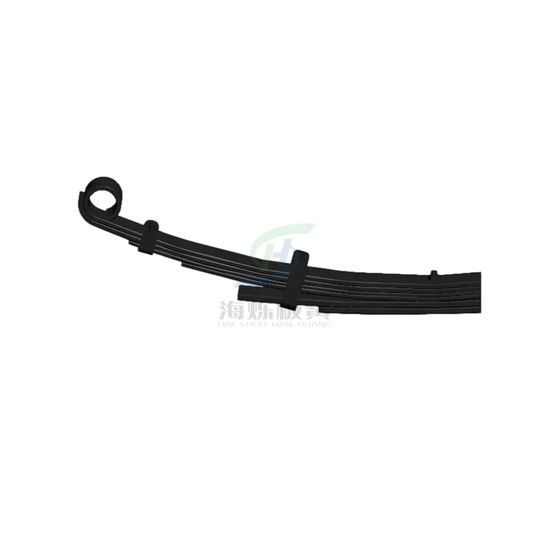


The most critical step is to verify the OEM (Original Equipment Manufacturer) numbers or the VIN (Vehicle Identification Number) with the supplier. Since the Hyundai Porter has various iterations like the Porter II and the HR, components such as clutch discs, brake pads, and fuel filters may vary by engine type (e.g., D4BB, D4BH, or D4CB CRDi). Always request a technical drawing or cross-reference chart to ensure the parts match your specific market's vehicle specifications.
Prioritize suppliers who hold ISO 9001 or IATF 16949 certifications, which are the gold standards for automotive quality management. For critical safety components like tie rod ends, ball joints, and brake cylinders, ensure they meet or exceed OEM tensile strength and durability benchmarks. Requesting material analysis reports for cast iron or steel components can help prevent premature failure in high-load commercial use.
For radiators and cooling fans, verify the heat dissipation efficiency and pressure resistance. For oil and fuel filters, focus on the filtration micron rating; high-pressure CRDi engines in newer Porter models require high-precision filtration to prevent fuel injector damage. Ensure the supplier uses high-quality filter paper (such as Ahlstrom) to guarantee a service life of at least 10,000 to 15,000 kilometers.
Calculate the Total Cost of Ownership (TCO). While aftermarket parts (IAM) can be 30-50% cheaper than genuine Hyundai Mobis parts, they must offer a warranty of at least 6-12 months. For fast-moving consumable parts like filters and spark plugs, high-quality aftermarket brands offer the best ROI. For complex engine internals like crankshafts or turbochargers, investing in premium or genuine quality is often more cost-effective to avoid expensive labor for re-installation.
The primary risks include incorrect fitment and shipping damage. To mitigate these, implement a 'Sample First' policy and use reinforced packaging (double-corrugated boxes and pallets) for heavy items like leaf springs or engine blocks. Ensure the supplier provides detailed packing lists and photos of the goods before sealing the container to prevent quantity discrepancies.
Focus on tiered pricing based on annual volume rather than a single order. Ask for 'Consolidated Shipping' if you are buying different categories (e.g., body parts and engine parts) from the same vendor. Negotiate for free replacement of defective units (RMA policy) in your next shipment to save on return freight costs. Mentioning your long-term demand for commercial fleet maintenance often secures better VIP pricing.
Always use Secured Payment services provided by the platform to ensure funds are only released upon proof of shipment. Conduct Third-Party Factory Audits or request a SGS/TÜV Rheinland verification report from the supplier's profile on Made-in-China.com. Avoid transferring large sums via non-traceable methods for initial orders.
For heavy items like gearboxes, engines, and leaf springs, LCL (Less than Container Load) or FCL (Full Container Load) sea freight is the only economically viable option. For urgent, lightweight 'Vehicle Off Road' (VOR) parts like sensors or gaskets, use international couriers (DHL/FedEx). Ensure your supplier provides the correct HS Code (typically Chapter 87) to avoid customs delays and ensure accurate duty calculation.