
Satisfies 1 requirement
Environment Friendly Refrigerant Gas R134A R410A R404A R407c R507A R125 Mapp Gas
US$9.00
100 Pieces(MOQ)

I have found results from2000+products and500+suppliers aboutRefrigerant gas r125 price


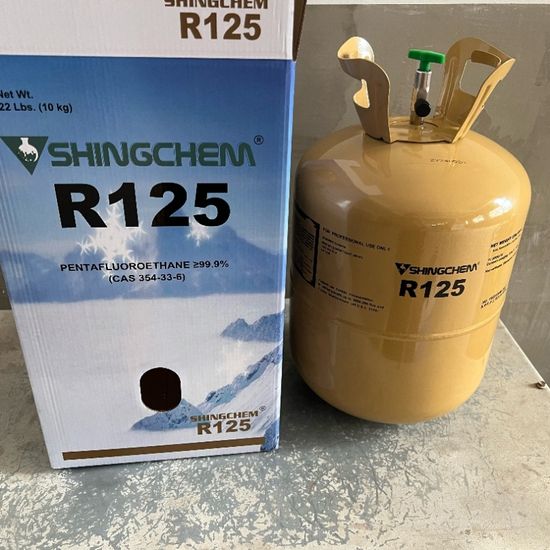


For industrial and commercial applications, R125 must meet a purity level of at least 99.8%. Key specifications include a moisture content of ≤10ppm and acidity of ≤1ppm to prevent system corrosion. Buyers should verify the non-condensable gas volume (air) is ≤1.5% in the vapor phase. High-quality R125 is essential as a component for blending R410A and R407C refrigerants.
Suppliers must provide ISO 9001 and ISO 14001 certifications for quality and environmental management. The product must comply with AHRI 700 standards for refrigerant purity. Furthermore, ensure the supplier provides a Material Safety Data Sheet (MSDS) and that the cylinders meet DOT (Department of Transportation) or CE/TPED (Transportable Pressure Equipment Directive) standards for pressure vessel safety.
The price of R125 is highly sensitive to the Kigali Amendment to the Montreal Protocol, which mandates a phase-down of HFCs due to their high Global Warming Potential (GWP of 3500). Buyers should monitor export quotas from major manufacturing hubs like China, as supply restrictions often lead to significant price volatility. Securing long-term contracts during low-demand seasons can mitigate these price spikes.
R125 is a liquefied gas under pressure and must be stored in a cool, well-ventilated area away from direct sunlight and heat sources (temperature <50°C). Ensure cylinders are equipped with standard valves (e.g., QF-2) and are never dropped or dragged. Leak detection using electronic sniffers or soap solutions should be performed regularly during storage to prevent loss of inventory and environmental hazards.
R125 is classified as Class 2.2 Non-flammable Gas (UN 3220). It requires specialized dangerous goods (DG) shipping containers and professional DG handling. Buyers must ensure the freight forwarder is experienced in IMO Class 2.2 logistics and that the Declaration of Dangerous Goods is accurately filed to avoid port seizures or heavy fines.
Prioritize suppliers on Made-in-China.com who hold Audited Supplier status. Request a Certificate of Analysis (COA) for every batch and consider third-party pre-shipment inspections (like SGS or BV) to verify gas weight and purity. Use secure payment terms such as Letter of Credit (L/C) or trade assurance services to protect your capital until the goods are verified.
Avoid focusing solely on the lowest unit price, as this often indicates recycled or sub-standard gas which can damage HVAC compressors. Negotiate based on Total Landed Cost, including anti-dumping duties (AD) and countervailing duties (CVD) which are prevalent in markets like the US and EU for Chinese HFCs. Always clarify if the price includes the cost of the cylinder (disposable vs. refillable).
Check your local import quota requirements; many countries require an import license for HFCs. Ensure the HS Code (typically 2903.39) is correctly declared. Be aware of Environmental Taxes or Carbon Taxes that may apply upon entry. Providing the customs office with a clear Chemical Abstract Service (CAS) number (354-33-6) will facilitate smoother clearance.