
Satisfies 1 requirement
4.5kw/5.0kw Quiet Gasoline Inverter Generator Single Phase, 224cc Engine, 10L Tank, Dual Start for Outdoor Residential Use
US$100.00-1,000.00
1 Piece(MOQ)

I have found results from80000+products and20000+suppliers aboutResidential generator


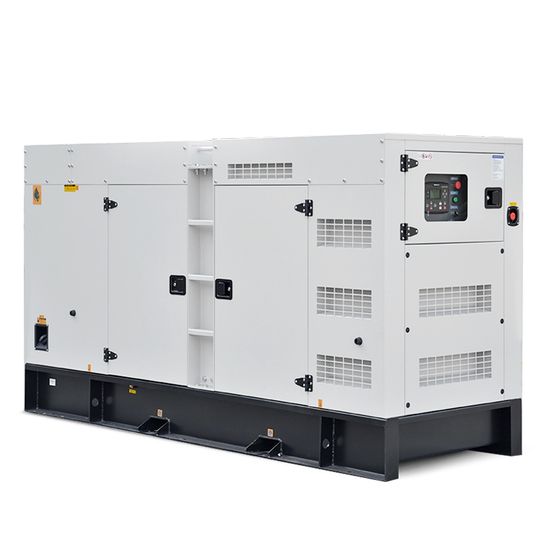


Buyers must calculate the Total Running Watts and Starting Watts (Surge Watts) of all essential appliances. For basic needs like lights and a refrigerator, 3,000 to 5,000 watts are usually sufficient. However, to power high-load items like Central Air Conditioning (HVAC) or well pumps, a unit providing 7,500 to 15,000 watts is required. Always recommend a 20% safety margin above the calculated load to prevent engine strain.
Inverter generators are highly sought after for residential areas due to their low noise levels (<60dB) and Clean Power (Total Harmonic Distortion <3%), which protects sensitive electronics. Portable generators offer the best cost-to-power ratio but require manual setup. Standby generators (Permanent installations) provide the highest profit margins for distributors but require Automatic Transfer Switch (ATS) compatibility and professional installation expertise.
For the US market, ensure the engine is EPA or CARB compliant (California). For the EU, CE marking and Stage V emission standards are mandatory. Key technical components to verify include 100% Copper Windings (avoid CCA for durability), Automatic Voltage Regulation (AVR), and Low-Oil Shutdown sensors to prevent engine failure.
Dual-fuel (Gasoline/LPG) or Tri-fuel models are currently the most popular in cross-border trade because they offer users flexibility during fuel shortages. LPG (Propane) is particularly favored for long-term storage as it does not degrade over time like gasoline, reducing maintenance issues for the end-user.
Generators are classified as Dangerous Goods (UN3166) if they contain fuel or oil residues. Ensure the supplier provides a Non-Hazardous Declaration by shipping units completely dry. For large standby units, use Reinforced Plywood Crating to prevent frame distortion during sea freight. When sourcing via Made-in-China.com, verify if the supplier has experience with MSDS (Material Safety Data Sheet) documentation.
Utilize Secured Payment services on Made-in-China.com to ensure funds are only released upon proof of shipment. Always request a Pre-shipment Inspection (PSI) to verify the Load Bank Test results; a reputable supplier should demonstrate the generator running at 100% load for at least 30-60 minutes without overheating.
Negotiate based on Core Component Brands. Prices vary significantly if the alternator is a local brand versus a premium brand like Stamford or Leroy-Somer. For orders exceeding 20 units (Full Container Load), aim for a 10-15% discount or request the inclusion of Spare Parts Kits (filters, spark plugs, AVRs) at no extra cost to improve your local after-sales service.
Be aware of Anti-dumping duties or specific Tariff codes (HS Code 8502.80) that may apply to Chinese-made engines in certain regions. Check for Noise Emission Regulations in your target country, as residential zones often have strict decibel limits that could lead to customs rejection if the unit is not properly Sound-Attenuated (Silent Type).