
Satisfies 1 requirement
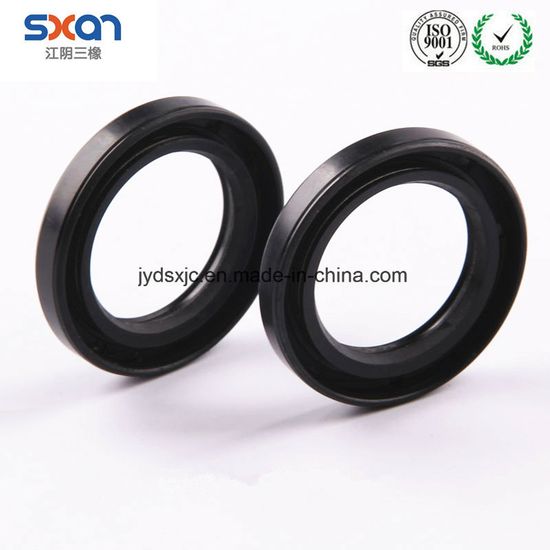
Premium Acm and CR Rubber Lip Oil Seals for Rotary Shafts
US$0.03-0.07
50 Pieces(MOQ)

I have found results from100000+products and40000+suppliers aboutRotary oil seal




Material selection is critical for seal longevity. NBR (Nitrile) is the standard for general oil resistance at temperatures up to 100°C. For high-temperature or chemical-heavy environments, FKM (Viton) is required as it withstands up to 200°C. If the application involves low temperatures or food-grade requirements, Silicone (VMQ) is preferred, while PTFE (Teflon) is best for high-speed rotations and low-friction needs.
You must provide the Inner Diameter (ID), Outer Diameter (OD), and Width (Height). Additionally, specify the lip design: Single Lip (Type SC/VB) is for fluid retention, while Double Lip (Type TC/TB) includes a dust lip to prevent external contamination. Ensure the Spring Material (usually carbon steel or stainless steel) is compatible with the medium to prevent corrosion.
Reliable suppliers should comply with ISO 6194 or DIN 3760/3761 standards, which dictate dimensions and tolerances for rotary shaft seals. For automotive applications, look for IATF 16949 certification. If the seals are used in machinery exported to the EU, ensure the materials are RoHS and REACH compliant to avoid customs issues.
Standard rotary seals are designed for low-pressure environments (up to 0.03 MPa). If your application is pressurized, you must request Pressure-Resistant (TCN/BABSL) types. For speed, calculate the Peripheral Speed (m/s); high-speed shafts require specialized lip geometries and materials like PTFE to prevent heat buildup and premature hardening of the elastomer.
Request a Material Test Report (MTR) and a Hardness Test Report (Shore A). A common risk is suppliers substituting FKM with cheaper NBR blends. Conduct a Burn Test or Specific Gravity Test on samples; FKM is significantly heavier and non-flammable compared to NBR. Using Made-in-China.com's Secured Trading services can also provide an extra layer of protection.
Focus on Tooling Costs and Lead Times. For custom sizes, clarify who owns the Molding Die. Negotiate a tiered pricing structure where the unit price drops by 15-20% as volume moves from 1,000 to 10,000 units. Always request a Pre-Shipment Inspection (PSI) to verify dimensions using calibrated calipers before the balance payment is made.
Rubber seals are sensitive to UV light, ozone, and extreme heat. Ensure the supplier uses UV-resistant PE bags and sturdy, moisture-proof outer cartons. For long-distance sea freight, specify that the goods should be stored away from heat sources on the vessel to prevent the rubber from aging or deforming during transit.
Verify the supplier's Business License and export qualifications on Made-in-China.com. Ensure the Harmonized System (HS) Code used is 4016.93 (for rubber gaskets/seals) to accurately calculate import duties. Use Letter of Credit (L/C) or Escrow-based payment terms for large first-time orders to ensure funds are only released upon proof of shipment.