
Satisfies 1 requirement
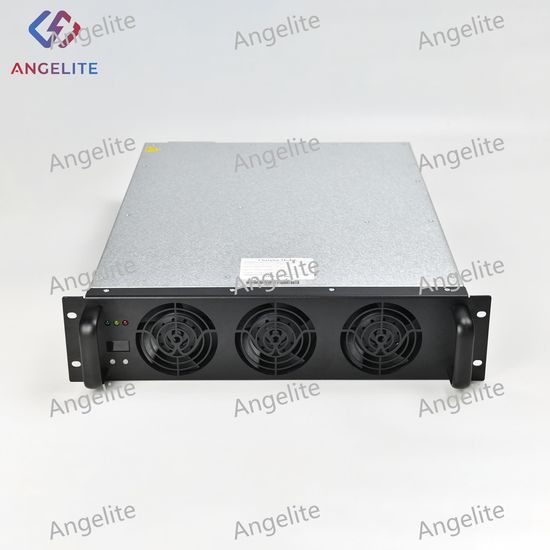
Bidirectional Inverter Solar Charger EV Car DC to DC EV DC Fast Charger 40kw Station EV Charger for DC Hv Battery
US$1,000.00
1 Piece(MOQ)

I have found results from100000+products and60000+suppliers aboutSolar inverter charger price


When comparing prices, you must look beyond the sticker cost and evaluate the Pure Sine Wave output capability, as modified sine waves are cheaper but can damage sensitive electronics. Pay close attention to the Peak Power vs. Rated Power; a high-quality unit should handle a surge of at least 2x its rated capacity. Additionally, the Efficiency Rating (ideally >93%) and the type of integrated charge controller—MPPT (Maximum Power Point Tracking) is more expensive but 30% more efficient than PWM—are primary drivers of the price-to-performance ratio.
The price is heavily influenced by the Battery Voltage System (12V, 24V, or 48V). Higher voltage systems (48V) are generally more expensive but offer lower energy loss and reduced wiring costs for large-scale installations. Ensure the inverter supports Lithium (LiFePO4) battery communication (BMS); units with dedicated RS485/CAN communication ports for lithium batteries carry a premium but are essential for modern energy storage safety and longevity.
To avoid customs seizures and ensure safety, verify that the product holds UL 1741 (for North America), EN 62109 (for Europe), or AS4777 (for Australia). For B2B buyers, ensuring the manufacturer provides CE, RoHS, and IEC 62109 certifications is non-negotiable. Products lacking these certifications may be cheaper but pose significant legal and fire safety risks.
Check for Intelligent Variable Speed Fans and large aluminum heat sinks. Cheaper units often use plastic housings and inferior cooling, leading to thermal throttling. Demand a Protection Rating of at least IP20 for indoor use or IP65 for outdoor environments. A robust unit should offer comprehensive protections including Short Circuit, Over-voltage, Under-voltage, and Over-temperature protection.
The primary risks include counterfeit power components (e.g., refurbished IGBTs) and exaggerated power ratings. Always request a Factory Acceptance Test (FAT) report or a video of a Full Load Test. To secure your transaction, use Secured Payment services on Made-in-China.com to ensure funds are only released upon proof of shipment and quality verification.
Focus on the Total Cost of Ownership (TCO) rather than the unit price. Negotiate for a standard 2-5 year warranty and ask for 1-2% spare parts (PCBA boards or fans) to be included in bulk orders to handle local repairs. For orders exceeding 100 units, you can typically negotiate a 5-10% discount or request OEM branding at no additional cost.
Solar inverters contain sensitive electronic components and are heavy. Ensure the supplier uses Sea Freight-worthy wooden crate packaging with anti-static moisture barriers. Since these units often contain large capacitors, confirm the HS Code (typically 850440) with your customs broker to determine the exact import duties and VAT applicable in your country.