
Satisfies 1 requirement
Electric Tour Shuttle 75V with 23 Seats Sightseeing Bus for Sale
US$6,999.00-8,888.00
1 Piece(MOQ)

I have found results from20000+products and10000+suppliers aboutTour buses for sale


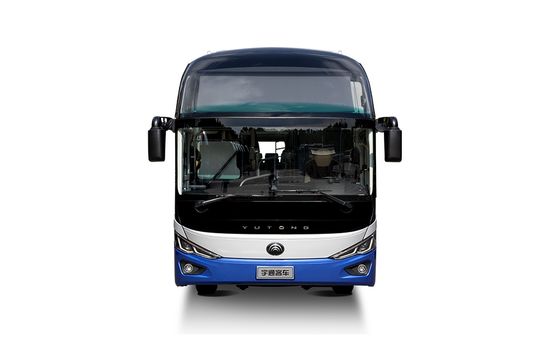


Buyers must prioritize the engine performance and emission standards, ensuring compliance with Euro IV, V, or VI depending on local environmental regulations. Key components include transmission systems (manual vs. automatic), braking systems (ABS/EBS), and suspension types (air suspension is preferred for passenger comfort). Additionally, verify the seating capacity (typically 25 to 55 seats) and the chassis durability, as these directly impact the vehicle's lifespan and operational safety.
It is essential to verify that the manufacturer holds ISO 9001 certification for quality management. For specific markets, look for WVTA (Whole Vehicle Type Approval) for the EU, or DOT/FMVSS compliance for the US. Ensure the bus features emergency exits, fire suppression systems in the engine compartment, and reinforced body structures (rollover protection) that meet ECE R66 standards.
To provide a premium experience, focus on ergonomic reclining seats with leather upholstery, integrated HVAC (Heating, Ventilation, and Air Conditioning) systems, and on-board entertainment (LCD screens, Wi-Fi, USB charging ports). Customization options often include on-board toilets, refrigerators, and specialized luggage compartment configurations. Always request a detailed interior material list to ensure flame-retardant properties.
Since downtime leads to revenue loss, prioritize suppliers who offer a comprehensive warranty (typically 1-2 years or 100,000 km) and have a global spare parts distribution network. Confirm if the supplier provides technical training for local mechanics and if diagnostic software is included with the purchase to facilitate rapid maintenance.
The biggest risks include non-compliance with local road registries and damage during maritime transit. To mitigate these, perform a pre-shipment inspection (PSI) via third-party agencies like SGS or Intertek. Ensure the contract specifies wax coating and anti-corrosion treatment for the bus exterior if it is being shipped via RORO (Roll-on/Roll-off) vessels to prevent salt-air damage.
For bulk orders, aim for a 5-10% discount on the unit price. Use secure payment methods such as Letter of Credit (L/C) or Telegraphic Transfer (T/T) with a staged payment structure (e.g., 30% deposit, 70% against Bill of Lading). Always verify the supplier's credentials on Made-in-China.com to ensure they are a 'Diamond Member' or 'Audited Supplier'.
Buses are typically shipped via RORO (Roll-on/Roll-off), which is the safest method for oversized vehicles, or Flat Rack containers if RORO is unavailable. For inland countries, consider multimodal transport (sea-to-rail). Ensure the Incoterms (e.g., CIF or DAP) are clearly defined to establish who is responsible for import duties, VAT, and local registration fees.
Prepare a complete documentation package including the Commercial Invoice, Packing List, Bill of Lading, Certificate of Origin, and Technical Data Sheets. You must also provide a Certificate of Conformity (COC) to prove the vehicle meets your country's specific road safety and emission laws. Engaging a specialized customs broker is highly recommended to navigate complex automotive tariffs.