
Satisfies 1 requirement
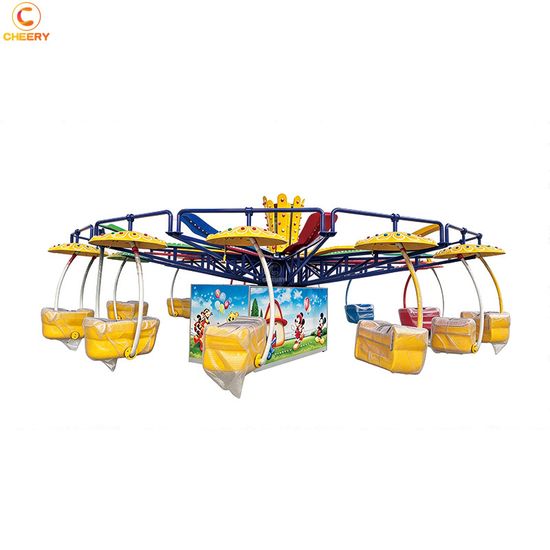
Fun Cheap Outdoor Amusement Park Human Gyroscope Ride for Sale
US$3,000.00-5,000.00
1 Piece(MOQ)

I have found results from50000+products and10000+suppliers aboutUsed amusement rides for sale




When sourcing used amusement rides, the most critical factor is safety compliance. You must verify that the equipment meets ASTM F24 standards (for the US), EN 13814 (for Europe), or equivalent local regulations like GB 8408 in China. Ensure the supplier provides original manufacturer certificates, maintenance logs, and third-party inspection reports (such as TUV or SGS). It is highly recommended to request a Non-Destructive Testing (NDT) report to check for structural fatigue or cracks in load-bearing components.
Buyers should focus on the service life of core components. Ask for the total operating hours and the date of the last major overhaul. For mechanical parts, check the wear on gears, bearings, and hydraulic systems. For electrical systems, ensure the PLC (Programmable Logic Controller) is not obsolete and that emergency stop mechanisms are fully functional. If the ride uses specialized software, confirm that the source code or license is transferable to the new owner.
Refurbishment should not just be cosmetic. Ensure the supplier uses automotive-grade paint and UV-resistant coatings to prevent fading. For lighting, check if the LED systems have been upgraded to energy-efficient models. If the ride includes fiberglass (FRP) components, inspect for delamination or osmotic blistering. A professional refurbishment should include new upholstery for seats and updated safety restraints (lap bars or over-the-shoulder harnesses) that meet current ergonomic standards.
Purchasing used rides can save 40% to 60% of the cost of new equipment, but you must factor in disassembly, shipping, and re-installation costs. Evaluate the availability of spare parts; if the original manufacturer is out of business, custom-making parts will significantly increase the Total Cost of Ownership (TCO). Always calculate the Return on Investment (ROI) based on the remaining estimated lifespan of the ride, which for well-maintained steel structures is typically 15-20 years.
The biggest risk is misrepresentation of condition. Unlike new goods, used items vary greatly. To mitigate this, use Made-in-China.com's secured payment services and hire a professional third-party inspector to visit the site during the trial run before final payment. Another risk is import restrictions; some countries have strict age limits on imported machinery, so verify your local customs regulations regarding 'used mechanical equipment' before signing a contract.
Amusement rides are often Oversized or Overweight (OOG). You should negotiate FOB or CIF terms but ensure the supplier provides a detailed Packing List and Loading Plan to avoid damage during transit. For installation, it is standard practice to include a clause for Technical Supervision; the supplier should send 1-2 lead engineers to your site to oversee the assembly, while you provide the local labor and heavy lifting equipment (cranes).
Focus your negotiation on Value-Added Services rather than just the sticker price. Ask for a 6-month to 1-year warranty on major parts (motors, gearboxes), a spare parts package (sensors, switches, belts) included in the price, and operational training for your staff. If the supplier is listed on Made-in-China.com, check their Audit Reports to confirm they have a physical factory or warehouse and are not just a middleman.
Never send full payment upfront. Use a staged payment structure: 30% deposit, 60% after successful trial run video and inspection, and 10% after the goods are loaded and the Bill of Lading (B/L) is issued. Utilize Trade Assurance programs where possible to protect your funds against non-delivery or quality discrepancies.