
Satisfies 1 requirement
Hydraulic Scrap Metal Cutting Alligator Shear/Iron Scrap Crocodile
US$6,857.00-68,572.00
1 Set(MOQ)

I have found results from80000+products and30000+suppliers aboutWholesale iron metal scrap


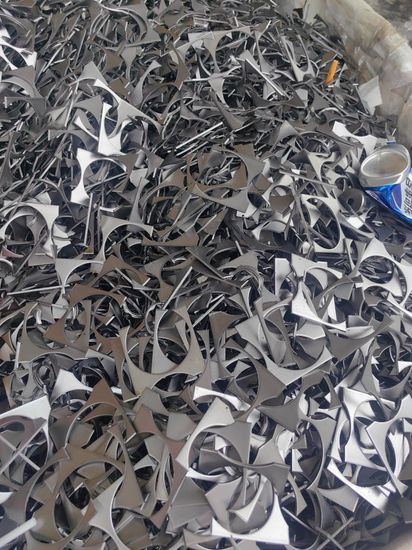


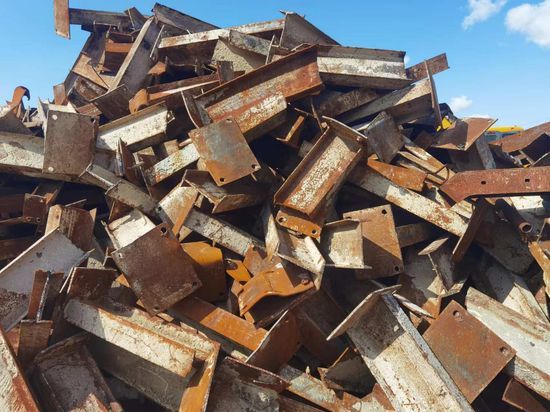


Iron scrap is generally categorized into HMS 1 (Heavy Melting Steel) and HMS 2. HMS 1 does not contain galvanized or blackened steel, while HMS 2 does. B2B buyers should specify the ISRI (Institute of Scrap Recycling Industries) codes, such as 200 through 206, to ensure the chemical composition and physical size meet furnace requirements. Purity levels should ideally exceed 98% to minimize slag production during smelting.
Suppliers must provide a Certificate of Analysis (COA) and a Radiation-Free Certificate to ensure the scrap is not contaminated. For shipments originating from or passing through specific regions, a Pre-Shipment Inspection Certificate (PSIC) issued by agencies like SGS or CCIC is often mandatory to verify that the cargo contains no hazardous materials, pressurized containers, or explosives.
Buyers should calculate the Yield Recovery Rate, which estimates the amount of usable metal after melting. A high presence of rust, oil, or non-metallic attachments significantly reduces the net value. It is recommended to use LME (London Metal Exchange) pricing indices as a benchmark and negotiate based on a percentage of the current spot price to account for market volatility.
To optimize logistics and furnace charging, scrap should be baled, sheared, or shredded according to the buyer's facility specs. For example, EAF (Electric Arc Furnace) operations typically require scrap pieces no larger than 1.5 meters in length to prevent damage to the electrodes and ensure efficient melting.
The most significant risk is quality substitution or weight fraud, where suppliers may load inferior materials or heavy debris at the bottom of containers. To mitigate this, always use Verified Suppliers on Made-in-China.com and insist on third-party weight bridge certificates and loading supervision by reputable inspection firms.
Avoid 100% advance payments. The safest method for bulk scrap is a Letter of Credit (L/C) at sight or Escrow services. Payments should be triggered only upon the presentation of a Clean Bill of Lading and a successful inspection report from a recognized third party at the port of loading.
Many countries have strict export quotas or environmental taxes on ferrous scrap to protect domestic industries. Buyers must verify if the supplier holds a valid Export License for metal scrap. Additionally, ensure the HS Code used (typically 7204.10 or 7204.49) aligns with the destination country's import tariff schedule to avoid unexpected customs duties.
Focus on long-term off-take agreements rather than one-off spot purchases. Suppliers prioritize buyers who can provide consistent volume and reliable logistics. Demonstrating a clear shipping schedule and offering a revolving L/C can often secure a discount of 3-5% off the index price.