
Satisfies 1 requirement
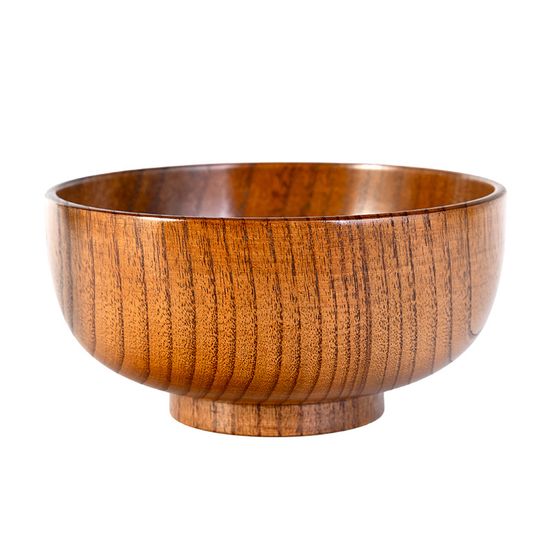
Simple Style Wooden Bowls Sour Jujube Wood Kitchen Supplies Appliances Storage
US$1.95-2.44
150 Pieces(MOQ)

I have found results from90000+products and20000+suppliers aboutWooden bowl




Buyers should prioritize hardwoods such as Acacia, Teak, Jujube, or Rubberwood due to their natural density and resistance to moisture. It is critical to ensure the wood is kiln-dried to a moisture content of 8-12% to prevent warping or cracking during international transit and storage. For premium markets, look for single-piece solid wood construction rather than laminated sections to ensure structural integrity and aesthetic value.
Compliance is non-negotiable for food-contact items. Products must meet FDA (21 CFR 175.300) standards for the U.S. market and LFGB (EC 1935/2004) for the European Union. Ensure the lacquer or oil finish used is BPA-free, lead-free, and food-grade. Request Migration Test Reports from the supplier to verify that no harmful chemicals leach into food.
Request high-resolution photos or videos focusing on the surface smoothness and rim consistency. A high-quality bowl should have a uniform wall thickness and be free of visible knots, wood filler, or sanding marks. Ask the supplier about their finishing process; multiple layers of food-safe mineral oil or nitrocellulose lacquer are preferred for long-term water resistance and sheen retention.
Wooden bowls are versatile: Small bowls (4-6 inches) are ideal for snacks or condiments; Medium bowls (8-10 inches) serve as individual salad or soup bowls; Large bowls (12+ inches) are primarily used as centerpieces or family-style salad servers. For commercial use in restaurants, ensure the bowls are stackable to save space and have a weighted base for stability.
Wooden products are subject to strict Phytosanitary regulations. Ensure the supplier provides a Fumigation Certificate to prevent pest infestation issues at customs. Additionally, verify that the timber is sourced legally by checking for FSC (Forest Stewardship Council) certification, which helps avoid delays related to the Lacey Act (USA) or EUTR (Europe).
Implement a tiered sampling strategy: request a pre-production sample, and then hire a third-party inspection service (like V-Trust or QIMA) to perform a Final Random Inspection (FRI) before the balance payment. Define a Defect Acceptance Limit (AQL 2.5/4.0) in your contract, specifically mentioning that cracking, mold, or odor are grounds for rejection.
Wood is sensitive to humidity changes. Insist on desiccant silica gel packs in every master carton to prevent mold growth during sea freight. Bowls should be individually wrapped in bubble wrap or EPE foam and nested carefully to prevent impact cracks. For large volumes, use double-walled corrugated boxes with a bursting strength suited for heavy kitchenware.
Utilize the Secured Trading services provided by Made-in-China.com to protect your payment until the goods are shipped. Always verify if the supplier is an Audited Supplier on the platform, which indicates their business license and production capabilities have been verified by independent agencies like SGS or Bureau Veritas.