
Satisfies 1 requirement
Factory Supply Q235 Q345 ASTM Carbon ERW Mild Iron Wrought Steel Pipes
US$480.00-600.00
1 Ton(MOQ)

I have found results from70000+products and20000+suppliers aboutWrought iron steel price


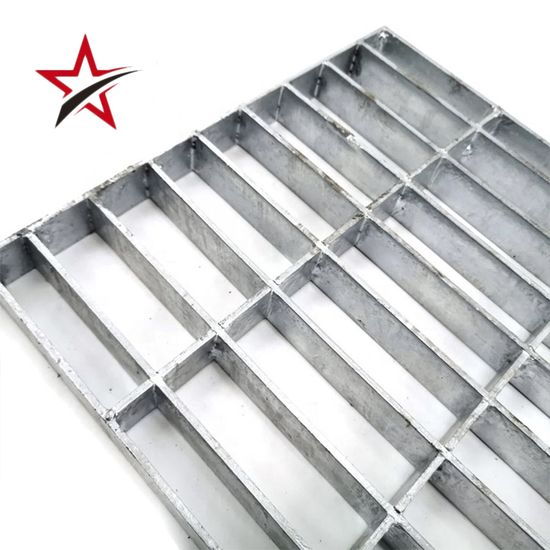
When sourcing wrought iron steel, the primary focus should be on material composition and surface treatment. Ensure the steel meets ASTM A36 or equivalent international standards for structural integrity. For decorative use, verify the carbon content; lower carbon levels (typically below 0.08%) provide the malleability required for intricate hand-forging. Additionally, check for hot-dip galvanization (ISO 1461) to ensure long-term corrosion resistance, especially for outdoor applications like gates or fences.
Pricing is heavily influenced by weight-based metrics (USD/Ton) and labor intensity. Key specifications include the cross-sectional dimensions (solid bar vs. hollow tube), tensile strength, and the complexity of the forged patterns. Buyers should request a Mill Test Certificate (MTC) to verify the chemical and physical properties. For bulk orders, dimensional tolerances (e.g., +/- 0.5mm) must be strictly defined to avoid assembly issues in large-scale installations.
Wrought iron is predominantly used in architectural landmarks, high-end residential fencing, and structural reinforcements. Functional requirements vary: for security gates, focus on weldability and impact resistance; for interior furniture, prioritize surface smoothness and powder coating quality. In coastal environments, a marine-grade epoxy primer is essential to prevent oxidation caused by salt spray.
Suppliers should provide evidence of compliance with EN 10025 (European) or GB/T 700 (Chinese) standards. If the steel is used for load-bearing structures, ensure the manufacturer holds an ISO 9001:2015 Quality Management System certification. For North American markets, verify that the products align with AWS (American Welding Society) standards to ensure safe onsite installation.
The steel market is highly volatile due to raw material costs. To lock in favorable pricing, consider signing long-term framework agreements or utilizing Price Escalation Clauses in your contracts. On Made-in-China.com, you can identify 'Diamond Members' who often offer more stable pricing and buffer stock for regular clients.
Never skip a Pre-Shipment Inspection (PSI). Hire a third-party agency (like SGS or Intertek) to perform a Zinc Coating Thickness Test (using a magnetic gauge) and a Visual Weld Inspection. Ensure the packaging is seaworthy, using waterproof wrapping and steel strapping to prevent rust and physical deformation during long-haul maritime transit.
Steel is frequently subject to Anti-Dumping Duties (ADD) and Countervailing Duties (CVD). Before finalizing a purchase, check your local customs regulations for the specific HS Code (e.g., 7207 or 7308). Work with suppliers on Made-in-China.com who have experience in your specific region, as they can often provide the necessary Certificate of Origin to help optimize tariff costs.
For bulk wrought iron, Full Container Load (FCL) shipping is the most economical. Use 20ft containers rather than 40ft, as steel is dense and will reach the weight limit before the volume limit. Ensure the supplier uses anti-rust oil or VCI (Volatile Corrosion Inhibitor) paper if the transit time exceeds 30 days to protect the raw finish.