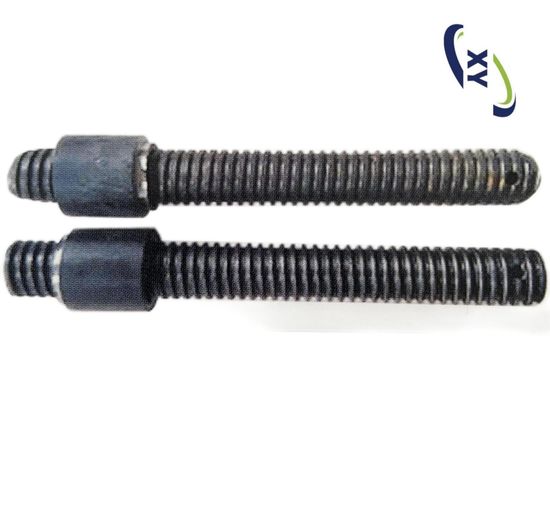
Scaffolding Formwork Steel Tie Rod

Scaffolding Construction Material Formork Tie Rod

Formwork Steel Tie Rod for Construction

I have found results from1000+products and400+suppliers about16mm scaffolding tie rod


When sourcing 16mm tie rods, the most critical factor is the tensile strength and material grade. Ensure the rods are made from Q235 carbon steel for standard use or 45# high-quality carbon steel for heavy-duty applications. The outer diameter must be exactly 15mm to 16mm to ensure compatibility with standard wing nuts and water stops. Additionally, verify the thread pitch (commonly 6mm or 10mm) to match your existing scaffolding accessories.
For international trade, especially sea freight, Hot-Dip Galvanization (HDG) is the gold standard as it provides a thick zinc coating that resists rust in humid environments. Electro-galvanized (cold galvanized) options are more cost-effective but offer less long-term protection. For temporary projects, a self-color (black) or painted finish may suffice, but these require immediate use or climate-controlled storage to prevent oxidation.
Suppliers should provide ISO 9001:2015 certification for quality management. Specifically for construction safety, request EN 10219 or BS 1139 compliance reports. It is essential to ask for a Mill Test Certificate (MTC) for every batch to verify the chemical composition and mechanical properties, ensuring the rods can handle the rated load capacity (typically 90kN to 140kN).
Request a Breaking Load Test Report from a third-party laboratory (such as SGS or TUV). A high-quality 16mm tie rod should have a breaking strength exceeding 140kN. Furthermore, check the thread integrity; threads should be rolled, not cut, to maintain the structural density of the steel and prevent stripping under high pressure during concrete pouring.
Always utilize Third-Party Inspection (TPI) services before the final payment. Instruct the inspector to perform a random weight check (as sub-standard rods are often underweight) and a thread fit test with matching wing nuts. For secure transactions, use the secured payment services provided by Made-in-China.com to ensure funds are only released upon successful inspection.
Tie rods are a commodity priced largely by steel weight. Monitor the Shanghai Steel Index to understand market fluctuations. For bulk orders exceeding 20 tons (a full 20ft container), you can typically negotiate a 5-8% discount. If you are a first-time buyer, suggest a trial order of 500-1000 pieces to verify quality before committing to high-volume annual contracts.
Tie rods are heavy and prone to shifting. Insist on seaworthy bundling using steel straps and wooden pallets or iron crates to prevent bending during crane loading. Ensure the supplier applies a thin layer of anti-rust oil before packing. For shipping to the US or EU, ensure the wooden pallets are ISPM 15 heat-treated to avoid customs delays.
Be aware of Anti-Dumping Duties (ADD) that some countries (like the US or parts of the EU) may impose on Chinese steel products. Always check your local Harmonized System (HS) Code (typically 7308.40) against current tariff schedules. Requesting a Certificate of Origin from the supplier is vital for applying for preferential tariff rates where applicable.