SourcingAI

90 rayon 9 nylon 1 spandex fabric manufacturers

I have found results from20000+products and9000+suppliers about90 rayon 9 nylon 1 spandex fabric

Hebei Changjin Textile Co., Ltd.mic-icon
Satisfies 3/4 of your requirements

Sourcing guidance for 90 Rayon 9 Nylon 1 Spandex Fabric

What are the key technical characteristics of 90 Rayon 9 Nylon 1 Spandex fabric?

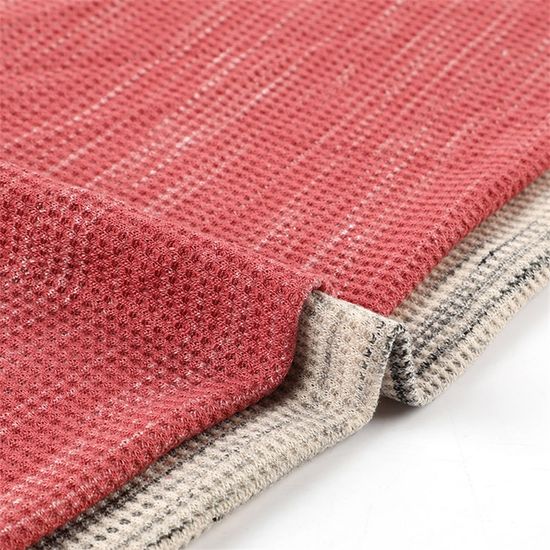
This specific blend is commonly known as 'Bandage Fabric', prized for its high density and exceptional elasticity. The 90% Rayon provides a silk-like luster, soft hand-feel, and excellent breathability. The 9% Nylon significantly enhances tensile strength and abrasion resistance, ensuring the fabric does not easily tear. The 1% Spandex provides the necessary power stretch and recovery, allowing garments to contour to the body without losing shape over time. Buyers should verify the fabric weight, typically ranging from 450gsm to 550gsm for high-end bandage dresses.

How can I ensure the colorfastness and quality of this fabric blend?

Due to the high rayon content, color bleeding can be an issue. You should require suppliers to provide Grade 4 or higher colorfastness reports for both dry and wet rubbing (ISO 105-X12). Additionally, ensure the fabric undergoes pre-shrinking treatment, as rayon is prone to shrinkage; the residual shrinkage rate should be controlled within ±3%. For premium orders, request pilling resistance tests (ISO 12945-2) to ensure the nylon/rayon surface remains smooth after repeated wear.

What compliance standards are necessary for importing this fabric to international markets?

For the US market, the fabric must comply with AATCC standards and CPSIA regulations regarding lead content in dyes. For the EU, REACH compliance is mandatory to ensure the absence of harmful azo dyes and phthalates. Furthermore, obtaining an OEKO-TEX® Standard 100 certification is highly recommended, as it serves as a globally recognized seal of textile safety and ecological integrity, which significantly increases the marketability of the finished garment.

What are the primary usage scenarios for this specific material composition?

This fabric is the industry standard for luxury bandage dresses, bodycon skirts, and high-end evening wear. Its heavy weight and high compression make it ideal for shapewear-effect apparel. Beyond fashion, it is increasingly used for premium athletic-leisure hybrids that require a structured look with the comfort of a knit. When sourcing, specify if the fabric is intended for piece-dyeing or yarn-dyeing, as yarn-dyed fabrics offer superior color depth for striped or patterned designs.

Cross-Border Procurement & Risk Management for Textiles

How can I mitigate the risk of receiving sub-standard fabric quality?

Always utilize Third-Party Inspections (TPI) such as SGS or Intertek before the final balance payment. Implement the 4-Point System for fabric inspection, which is the standard for identifying defects like holes, stains, or uneven dyeing. On Made-in-China.com, prioritize Audited Suppliers who have undergone comprehensive on-site verification of their production facilities and quality management systems.

What are the best practices for negotiating price and MOQ with textile manufacturers?

Textile pricing is highly sensitive to raw material fluctuations (Rayon/Nylon market prices). Negotiate based on Total Linear Meters rather than just price per meter; larger volumes (e.g., >1,000 meters) typically trigger a 10-15% price reduction. For startups, look for suppliers offering 'Ready to Ship' stock to bypass high Minimum Order Quantities (MOQ), but be aware that color consistency between batches may vary slightly in stock lots.

What shipping and logistics precautions should be taken for heavy knit fabrics?

90/9/1 fabric is heavy; therefore, sea freight is the most economical for bulk orders, while air freight should be reserved for urgent samples only. Ensure the supplier uses double-layer packaging: an inner plastic bag to prevent moisture and mildew during sea transit, and an outer woven bag for mechanical protection. Clearly define Incoterms (e.g., FOB or CIF) in the contract to clarify who bears the risk during the international transit phase.

How can I ensure transaction security when paying overseas suppliers?

Use Secured Payment services provided by reputable B2B platforms like Made-in-China.com to ensure your funds are held in escrow until the shipping documents are verified. Avoid direct transfers to private bank accounts. Always keep all communication, proforma invoices, and quality specifications within the platform's official messaging system to provide a clear audit trail in case of a trade dispute.

Related queries