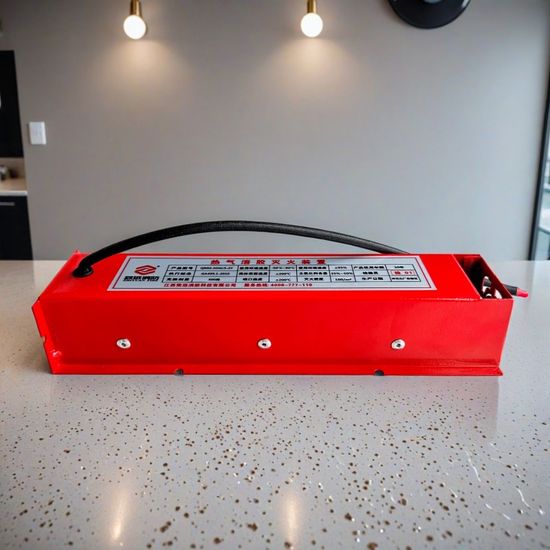
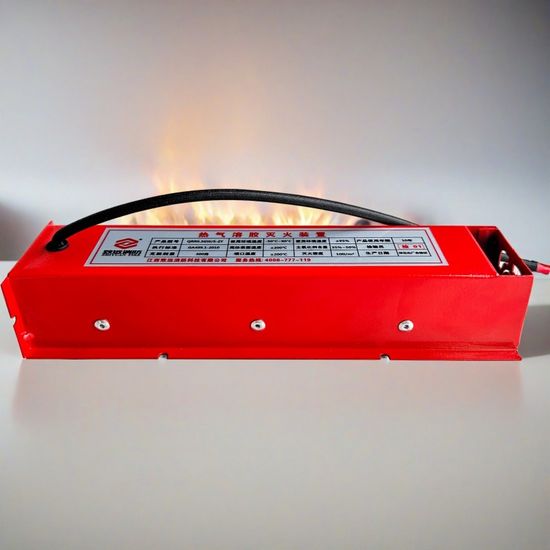
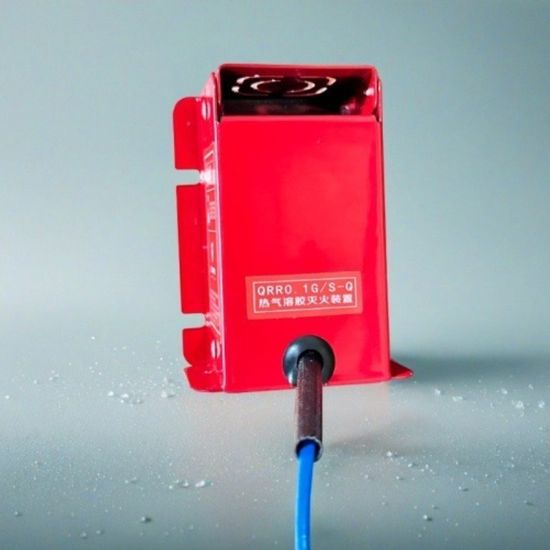
Factory Direct Sale Aerosol Fire Extinguishing Spray Filling Machine

Automatic Automobile Fire Stop Extinguishing Aerosol Spray Filling Machine

90cpm High-Speed Automatic Bag-on-Valve Aerosol Filling Machine

I have found results from400+products and200+suppliers aboutAerosol fire extinguishing equipment


Buyers must prioritize the extinguishing density (g/m³), which determines the amount of aerosol needed to suppress a fire in a specific volume. Ensure the equipment uses S-type or K-type aerosol agents, as S-type is generally safer for electronic components due to its non-conductive and non-corrosive properties. Additionally, verify the activation method (thermal, electric, or manual) and the operating temperature range, typically requiring stability between -50°C to +95°C for industrial applications.
For global trade, products should ideally comply with ISO 15779:2011, which specifies requirements and test methods for condensed aerosol extinguishing systems. In the European market, CE marking and compliance with EN 15276-1/2 are essential. For the US market, look for UL 2775 listing or NFPA 2010 standards. Ensuring the supplier has ISO 9001 certification is also critical to guarantee manufacturing consistency and safety reliability.
Aerosol systems are ideal for enclosed spaces such as electrical cabinets, server rooms, engine compartments, and battery energy storage systems (BESS). Unlike CO2 or FM-200 systems, aerosol equipment is non-pressurized, meaning it requires no heavy cylinders or complex piping, significantly reducing installation and maintenance costs. It is also environmentally friendly, with zero Ozone Depletion Potential (ODP) and negligible Global Warming Potential (GWP).
Top-tier aerosol generators typically offer a service life of 7 to 10 years without requiring the periodic pressure checks associated with gas cylinders. Buyers should request documentation on the stability of the chemical compound over time. Maintenance is generally limited to visual inspections of the activation circuitry and ensuring the discharge nozzles are not obstructed. Always confirm if the supplier provides a replacement warranty for units that fail self-diagnostic tests.
Aerosol generators are classified as Class 9 Dangerous Goods (Miscellaneous Dangerous Substances) or sometimes Class 4.1 (Flammable Solids) depending on the chemical composition. You must ensure the supplier provides a Material Safety Data Sheet (MSDS) and a Dangerous Goods Transport Classification Report. Shipping to international markets requires UN-approved packaging to prevent accidental activation during transit. For sea freight, ensure the carrier accepts IMO Class 9 cargo.
Utilize secure payment methods and consider third-party inspections before the final balance is paid. On platforms like Made-in-China.com, look for 'Audited Suppliers' who have undergone on-site verification by independent bodies like SGS or Bureau Veritas. Request a video factory audit to inspect the laboratory testing equipment, specifically the discharge test chambers, to ensure every batch meets performance benchmarks.
Focus on Total Cost of Ownership (TCO) rather than just the unit price. Negotiate for spare parts (activation pins, brackets) to be included in the bulk price. For large-scale projects, ask for tiered pricing—discounts of 10-20% are common for orders exceeding 500 units. Additionally, request customized labeling (OEM) to include your local emergency contact information and language-specific installation instructions, which adds value for end-users.
Check for specific import duties or anti-dumping duties on chemical fire suppressants in your country. Some regions offer tax incentives or duty exemptions for 'green' fire suppression technologies that replace Halon or high-GWP gases. Ensure the Harmonized System (HS) Code used (typically 8424.10) is accurate to avoid customs delays or incorrect tariff applications.