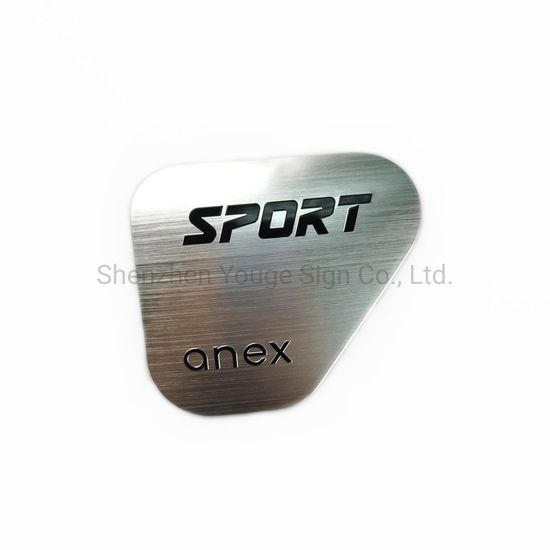
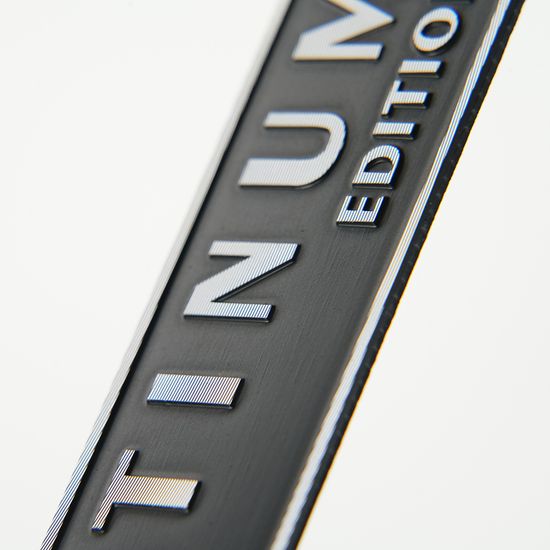
Handcrafted Brushed Aluminum Label with Antique Finish for Vintage Furniture

Vintage Antique Style Metal Wine Label with Brass Effect for Whiskey Spirits

Custom Font Brushed Aluminum Label with Modern Sans Serif Typography

I have found results from6000+products and2000+suppliers aboutAntique furniture labels


For authentic antique aesthetics and durability, prioritize solid brass, zinc alloy, or copper with electroplated finishes like antique bronze, oil-rubbed bronze, or brushed brass. Ensure the base metal is corrosion-resistant to prevent oxidation from damaging the furniture wood over time. For adhesive-backed labels, the 3M industrial-grade adhesive is recommended to ensure long-term bonding to varnished surfaces.
Verify that the metallic labels are Lead-Free and Nickel-Free, especially for furniture intended for residential or childcare environments. Request RoHS (Restriction of Hazardous Substances) certification and REACH compliance reports from the supplier to ensure the plating process does not involve toxic heavy metals that could leach into the environment or cause skin irritation.
Look for suppliers capable of CNC engraving, chemical etching, or die-casting for high-relief logos. A professional supplier should offer custom mold services with a precision tolerance of ±0.1mm. Additionally, confirm if they can provide vintage aging effects (patina) that match specific historical periods, such as Victorian, Art Deco, or Mid-Century Modern styles.
For curved surfaces, specify soft copper or thin aluminum labels that allow for manual bending without snapping. For flat, high-end hardwood, screw-mounted labels are preferred over adhesives to maintain the integrity of the wood grain. Ensure the mounting hole diameter is standardized (usually 1.5mm to 2.5mm) to fit common furniture tacks or miniature screws.
The most common risks include color inconsistency between batches and plating thickness variations. To mitigate this, require a Golden Sample for approval before mass production and use a Pantone or RAL color matching system for finish specifications. Ensure the contract includes a salt spray test requirement (e.g., 24-48 hours) to guarantee the finish won't tarnish during sea freight humidity.
Focus on tiered pricing based on volume; for small hardware items, a 20% price drop is often achievable when moving from 1,000 to 5,000 units. Negotiate for free mold costs if the annual order volume exceeds a certain threshold. Always request Trade Assurance or use the secure payment systems provided by Made-in-China.com to protect your capital until the goods pass inspection.
Since labels are high-density but low-volume, International Express (DHL/FedEx/UPS) is best for orders under 45kg for speed and door-to-door tracking. For bulk orders exceeding 100kg, Air Freight offers a balance of speed and cost. For very large quantities, LCL (Less than Container Load) Sea Freight is the most economical, but ensure the labels are vacuum-packed with silica gel desiccant to prevent moisture damage during the long transit.
Ensure the supplier provides a detailed Commercial Invoice, Packing List, and Bill of Lading. Specifically for metal labels, the HS Code (typically 8302.42 for furniture fittings or 8310.00 for sign-plates) must be accurate to avoid tariff penalties. If the labels are made of specific alloys, a Certificate of Origin (CO) may be required to benefit from preferential trade agreements.