Br-1201 Single Head 12 Needles Flat Cap T-Shirt Hat Computerized Embroidery Machine

Wd-1202 Double Head 12 Needle Computerized Computer Embroidery Machine

18 Heads Computer Commercial Embroidery Machine with 3D Embroidery Wd-1218

I have found results from1000+products and300+suppliers aboutBangladesh embroidery machine


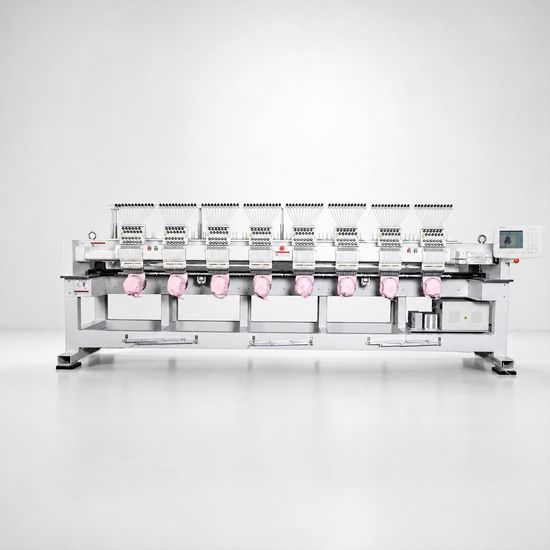
When selecting an embroidery machine, you must prioritize multi-head configurations (typically 12, 15, or 20 heads) to meet the high-volume demands of the Bangladesh garment industry. Ensure the machine supports a maximum speed of at least 1,000 to 1,200 RPM for efficiency. Key components should include original Japanese rotary hooks (Hirose or Koban) and stable Dahao control systems, which are the industry standard for reliability and ease of maintenance in South Asia.
Suppliers must provide CE Certification for electrical safety and ISO 9001:2015 for quality management systems. Since these machines operate in high-humidity environments like Dhaka or Chittagong, verify that the electronic components have anti-static and moisture-proof coatings. Additionally, ensure the equipment complies with noise emission standards (under 85dB) to meet local factory labor compliance audits.
A professional-grade machine should offer 3-in-1 functionality, allowing for flat embroidery, cap embroidery, and finished garment embroidery. For the Bangladesh market, which specializes in knitwear and denim, check for reinforced needle bars and adjustable presser feet to handle thick fabrics. The memory capacity should support at least 20 million stitches and 200 designs to accommodate complex patterns required by international fashion brands.
Given the technical complexity, prioritize suppliers who offer remote diagnostic capabilities via Wi-Fi/LAN and provide comprehensive video installation guides. It is crucial to confirm if the supplier can provide on-site technician dispatch for commissioning in major industrial zones like Gazipur or Narayanganj. The machine software should be compatible with standard design formats like DST, DSB, and TBF.
Bangladesh trade regulations often require imports to be processed via a Letter of Credit (L/C). Ensure your supplier is experienced in handling L/C documentation to avoid bank discrepancies. Be aware of the Import Policy Order of Bangladesh, which may require a Pre-Shipment Inspection (PSI) by agencies like Bureau Veritas or SGS to verify the machine's condition and value before it leaves the port of origin.
For embroidery machines, Sea Freight (FCL - Full Container Load) is the most economical method. Use vacuum-sealed packaging and solid wooden crates (IPPC certified) to prevent saltwater corrosion during transit to Chattogram Port. Ensure the supplier provides a detailed Packing List and Commercial Invoice that matches the H.S. Code for textile machinery to avoid heavy fines or delays during Bangladesh Customs clearance.
When negotiating, focus on the Total Cost of Ownership (TCO) rather than just the unit price. Request a spare parts kit (including extra needles, belts, and sensors) to be included in the initial price, as sourcing these locally in Bangladesh can be expensive. Ask for a 2-year warranty on core components (Motor and Computer) and leverage the Audit Reports available on Made-in-China.com to verify the manufacturer's factory scale and export history.
Always use Secured Payment services provided by the platform to protect your funds until shipping documents are verified. Before the final balance payment, hire a third-party inspector to perform a running test of at least 4 hours on the actual machines you purchased. This ensures there are no thread-breakage issues or mechanical vibrations that could lead to production downtime later.