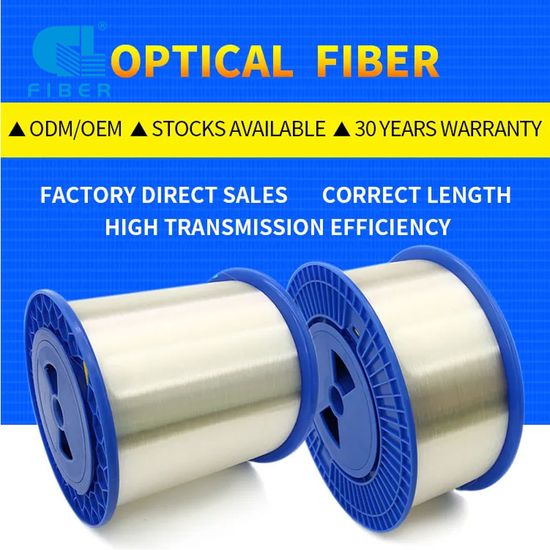
Customized High Strength Kevlar Fiber for Bullet Proof

Customized 3000d 300GSM Kevlar Fiber for FRP GRP Grc

Customized Plain Twill Weave Aramid Fiber Fabric

I have found results from5000+products and2000+suppliers aboutDupont kevlar fiber


When sourcing Kevlar, you must distinguish between different grades such as Kevlar 29 (all-purpose), Kevlar 49 (high-modulus for aerospace/marine), and Kevlar 129 (high-tenacity for ballistic protection). Key metrics include denier (linear mass density), tensile strength (typically ≥3.6 GPa), and elongation at break. For composite applications, ensure the fiber has the correct surface treatment (sizing) to guarantee compatibility with epoxy or polyester resins.
For ballistic applications, products must meet NIJ Standard 0101.06 levels (IIA, II, IIIA, etc.). For heat and flame resistance, look for NFPA 1971 or EN 469 certifications. If the fiber is used in cut-resistant gloves, verify the ANSI/ISEA 105 or EN 388 cut levels. Always request Third-Party Lab Test Reports from the supplier to validate these claims before finalizing a bulk purchase.
Authentic Kevlar is a trademarked brand by DuPont. To ensure authenticity, ask the supplier for a Brand Authorization Letter or a Certificate of Origin. Genuine Kevlar fiber has a distinct natural yellow color (unless solution-dyed) and does not melt; it decomposes at temperatures between 427°C and 482°C. You should perform a burn test on samples: genuine para-aramid will char but not drip or support a flame.
Kevlar is highly sensitive to Ultraviolet (UV) light, which degrades its tensile strength over time. Suppliers must provide assurance that the fiber is stored in UV-opaque packaging (usually black plastic or thick cardboard). Additionally, it should be kept in a moisture-controlled environment, as high humidity can affect the fiber's performance during composite lamination or weaving processes.
Kevlar is classified as a dual-use material (civilian and military). Depending on the grade and the country of origin/destination, it may be subject to Export Control Laws or ITAR regulations. Buyers must confirm with the supplier whether an Export License is required and ensure all documentation clearly states the End-Use Application to avoid customs seizures.
Utilize the Secured Trading Service offered by Made-in-China.com to ensure payment is only released upon confirmation of receipt. Prioritize Audited Suppliers who have undergone on-site inspections by third-party agencies like SGS or Intertek. For high-value orders, hiring a Pre-shipment Inspection (PSI) service to verify the quantity and quality of the fiber rolls is highly recommended.
For large volumes, Sea Freight (FCL/LCL) is the most economical, but ensure the containers are hermetically sealed to prevent saltwater moisture ingress. For smaller, high-value samples or urgent R&D needs, Air Freight is preferred. Always clarify the Incoterms (e.g., FOB vs. DAP) to understand exactly where the risk transfers and who is responsible for import duties and local handling fees.
Since aramid fiber prices are influenced by raw chemical costs and global supply, try to negotiate a Price Escalation Clause based on market indices for long-term contracts. Request Volume-Based Rebates where the unit price drops as your annual cumulative volume increases. Additionally, ask for Extended Payment Terms (e.g., Net 30) after establishing a successful 6-month trading history to improve your cash flow.