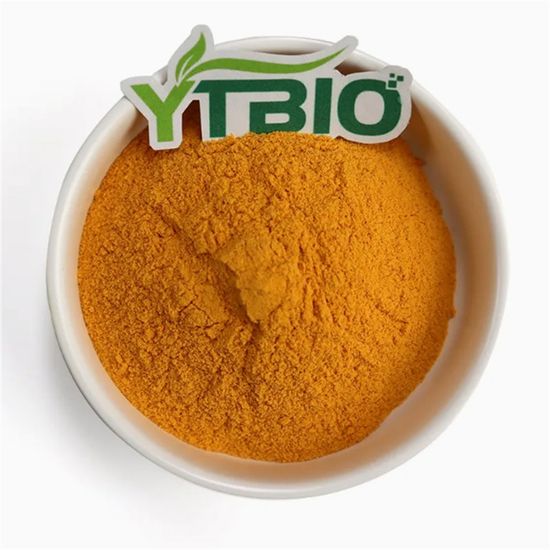
Seaweed Extract Ascophyllum Nodosum Source

X-Humate Ascophyllum Nodosum Source Seaweed Extract Brown Powder

Organic Algae Ascophyllum Nodosum Source Seaweed Extract Fertilizer

I have found results from400+products and200+suppliers aboutExtract powder ascophyllum nodosum


When sourcing this seaweed extract, you must prioritize the Alginic Acid content (typically 12-18%) and Organic Matter (≥45%). Ensure the powder is 100% water-soluble if intended for liquid fertilizers or irrigation. Additionally, check for the concentration of natural plant hormones like cytokinins and auxins, as well as the Mannitol level, which is crucial for abiotic stress resistance in plants.
For agricultural use, the most critical certifications are OMRI (Organic Materials Review Institute) or ECOCERT, which validate the product for organic farming. If the extract is for animal feed or human supplements, ensure the supplier holds ISO 22000 or HACCP certifications. Always request a Certificate of Analysis (COA) and a Heavy Metal Test Report to ensure Arsenic, Lead, and Cadmium levels are within international safety limits.
The extraction method is vital. Cold-pressed or enzymatic hydrolysis methods are superior as they preserve the bioactive compounds better than high-heat chemical extraction. Ask suppliers if they use low-temperature concentration technology to prevent the degradation of sensitive polysaccharides and vitamins, ensuring a higher bio-stimulant efficiency.
In agriculture, it is used as a bio-stimulant to improve root development, crop yield, and frost resistance. In the cosmetic industry, it serves as an anti-aging and hydrating agent due to its rich mineral content. In animal husbandry, it is added to feed to enhance the immune system and coat quality of livestock.
The primary risk is adulteration with cheaper seaweed species or synthetic urea to artificially boost nitrogen levels. To mitigate this, use Made-in-China.com's 'Audited Supplier' reports to verify the manufacturer's production capacity. Conduct third-party pre-shipment inspections (like SGS) to verify that the physical appearance (dark brown to black) and odor (seaweed scent) match the approved samples.
Prices for Ascophyllum Nodosum are sensitive to harvesting seasons in the North Atlantic. Negotiate based on volume tiers; for example, ordering in full container loads (FCL) can often reduce the unit price by 15-20% compared to LCL. Request a tiered pricing structure where the price drops as your annual cumulative volume increases, and aim for a 30% deposit / 70% balance against B/L payment term to protect your cash flow.
Extract powder is hygroscopic (absorbs moisture). Ensure the supplier uses double-layer packaging: an inner PE plastic bag sealed airtight, inside a multi-wall kraft paper bag or fiber drum. For sea freight, request silica gel desiccant packets inside the container to prevent 'container rain' from damaging the powder during transit through different climate zones.
Always utilize Secured Trading Services provided by platforms like Made-in-China.com to ensure your payment is only released after proof of shipment. Verify the HS Code (typically 310100 or 130219) with your local customs broker to confirm import duties and check if your country requires a Phytosanitary Certificate for seaweed-derived products to avoid customs seizures.