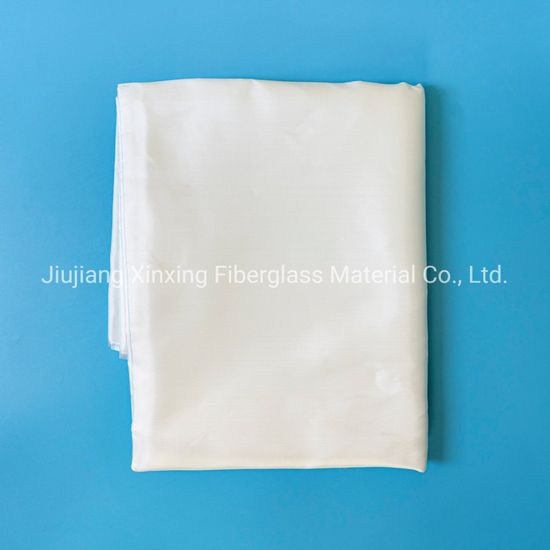
48GSM Thin Fiberglass Cloth for Mica Tape

25GSM 0.025mm Thickness Fiberglass Cloth for Mica Tape

Fiberglass Cloth for Mica Tapes in 1020mm Width

Thickness 0.6mm 48GSM Fiberglass Cloth for Mica Tape

33GSM Plain Fiberglass Cloth for Mica Tape

I have found results from400+products and200+suppliers aboutFiber glass mica cloth


When evaluating Fiber Glass Mica Cloth, you must prioritize thermal resistance and dielectric strength. Ensure the mica content (usually phlogopite or muscovite) is sufficient for your temperature requirements; phlogopite mica is preferred for high-heat applications up to 800°C-1000°C. Additionally, verify the glass fiber reinforcement density to ensure mechanical tensile strength, and check the resin content percentage, as this affects the flexibility and bonding capabilities during motor or cable winding.
For global market entry, the product must adhere to IEC 60371 standards for mica-based insulating materials. If exporting to the EU, RoHS and REACH certifications are mandatory to ensure the absence of hazardous substances. For North American markets, look for UL 94 V-0 flammability ratings and UL 746 series recognition for electrical insulation systems to guarantee safety and insurance compliance.
The bonding agent, typically silicone, epoxy, or polyester resin, determines the cloth's environmental resistance. Silicone-bonded mica cloth offers the best heat resistance and flexibility for high-temperature cables, while epoxy-bonded variants provide superior chemical resistance and mechanical rigidity once cured, making them ideal for large rotating machine insulation.
It is primarily used as a fire-resistant layer in safety cables for high-rise buildings, subways, and power stations. It also serves as slot insulation and inter-turn insulation in high-voltage motors and generators. In the metallurgy industry, it is utilized for induction furnace linings due to its excellent thermal and electrical insulation properties under extreme pressure.
Request a Pre-Shipment Inspection (PSI) by a third-party agency like SGS or Intertek to verify the thickness uniformity and dielectric breakdown voltage. Ensure the supplier provides a Batch Analysis Report (COA). For large orders, it is highly recommended to use Made-in-China.com's Secured Trading services to protect your payment until the goods pass quality verification.
Focus on long-term volume commitments rather than one-off spot buys to secure better pricing. Ask for tiered pricing based on mica weight (gsm). Professional buyers should also negotiate packaging specifications, as mica cloth is fragile; insist on vacuum-sealed moisture-proof packaging and reinforced wooden crates to prevent edge damage during sea freight.
Mica cloth is sensitive to humidity and physical compression. Ensure the shipping containers are dry and that the rolls are stored horizontally on pallets to avoid core deformation. Specify 'Do Not Stack' instructions on the Bill of Lading. For urgent R&D needs, air freight is viable, but for bulk production, FOB or CIF sea freight remains the most economical method, provided the supplier uses desiccant packs inside the wrapping.
Be aware of Anti-Dumping Duties (ADD) that some regions may apply to glass fiber products. Check the HS Code (typically 6814.10) against your country's tariff schedule. Ensure the supplier provides a Certificate of Origin (CO) to take advantage of any Free Trade Agreements (FTAs) that could reduce import duties from 5-10% down to zero.