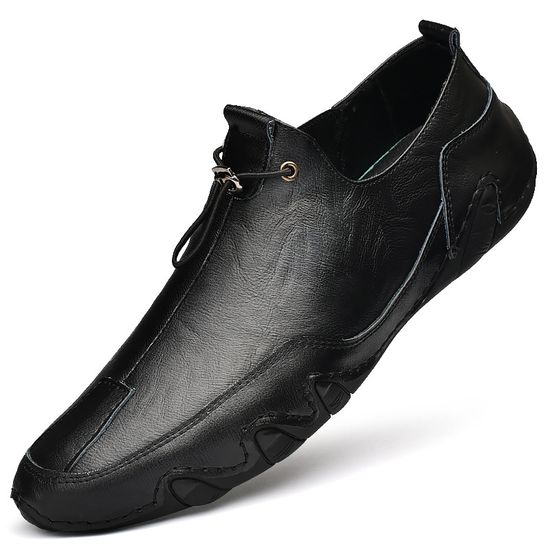
Jy1916all Season Universal Food Safety Shoes Safety Shoe with Protection Shoe

Jy713 Comfortable Lining Wear-Resistant Sole Lightest Food Safety Shoes

Jy1218 Oil Proof Waterproof Chef Shoes Leather Steel Toe Shoe Industrial Safety Shoe

I have found results from10000+products and7000+suppliers aboutFood industry shoes


When sourcing for the food sector, prioritize SRC-rated slip resistance (tested on ceramic tile and steel floors) to prevent workplace accidents. The upper material should be water-resistant microfiber or high-grade PVC, which offers better durability against organic fats and blood than standard leather. Ensure the shoes feature steel or composite toes capable of withstanding 200 Joules of impact, and look for removable, antibacterial insoles to maintain hygiene in high-moisture environments.
Products must strictly adhere to EN ISO 20345:2011 for safety footwear or ASTM F2413-18 for the North American market. For food hygiene specifically, verify that the materials are HACCP-compliant and meet REACH regulations to ensure no harmful chemicals leach into the production environment. If the shoes are for cleanroom use, they must also meet ESD (Electrostatic Discharge) protection standards.
While PU (Polyurethane) soles are lightweight and cost-effective, Rubber/Nitrile soles offer superior resistance to animal fats and oils, extending the product lifespan by 30-40% in harsh environments. Sourcing microfiber uppers is often more economically feasible for bulk orders as they are machine washable at 30°C, reducing replacement frequency compared to traditional materials that crack after repeated exposure to cleaning chemicals.
For cold chain logistics, select shoes with CI (Cold Insulation) ratings and Thinsulate™ lining. In wet processing areas, a clog-style or laceless design is preferred to eliminate dirt traps and facilitate easy cleaning and disinfection. Ensure the tread pattern is 'self-cleaning,' meaning the grooves are wide enough to automatically eject food debris as the wearer walks.
Always check for the 'Audited Supplier' badge, which indicates the factory has been verified by third-party agencies like SGS, Bureau Veritas, or TÜV Rheinland. Request a Full Test Report for the specific batch of shoes, not just a general factory certificate, and prioritize suppliers who offer Trade Assurance to protect your payment until the goods are confirmed received.
Negotiate based on Total Cost of Ownership (TCO) rather than just the unit price. Ask for tiered pricing (e.g., discounts of 5-10% for orders over 2,000 pairs) and request free spare insoles or laces to be included in the shipment. Additionally, negotiate a 12-month quality warranty against sole delamination or upper cracking, which is a common issue in the food industry.
The primary risk is mold growth during long-distance sea freight. Ensure the supplier uses silica gel desiccant packets in every box and utilizes anti-mold stickers (Micro-Pak). To optimize shipping costs, request vacuum-packed inner boxes or 'polybag packing' if retail boxes are not required, which can reduce shipping volume by up to 25%.
Ensure the Country of Origin (COO) is clearly marked on both the product and the packaging. Provide your customs broker with the correct HS Code (typically 6402 or 6403) to avoid misclassification and overpayment of duties. For the EU market, ensure the CE Declaration of Conformity is included in the shipping documents to prevent the shipment from being seized at the border.