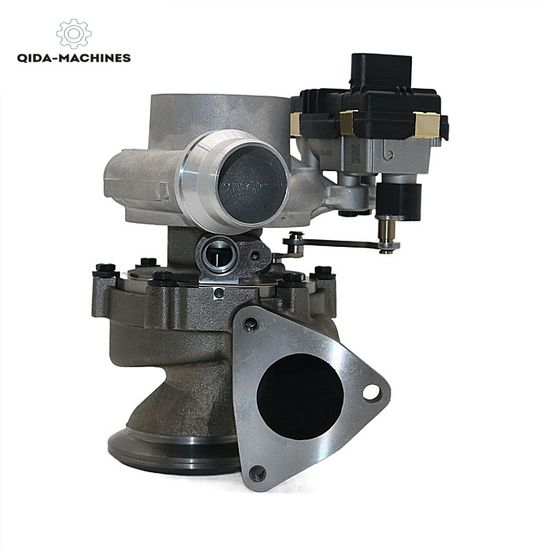
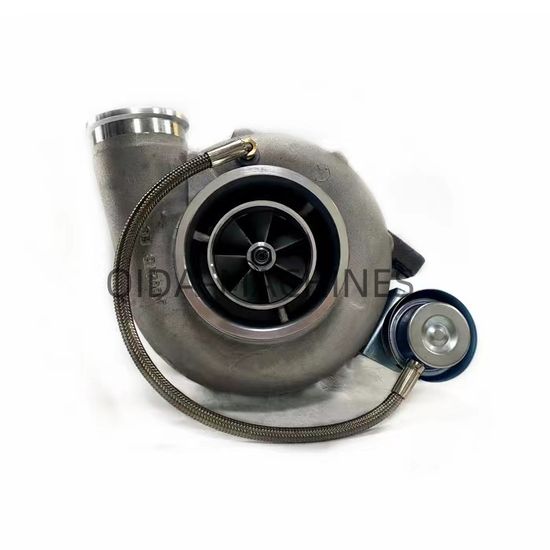
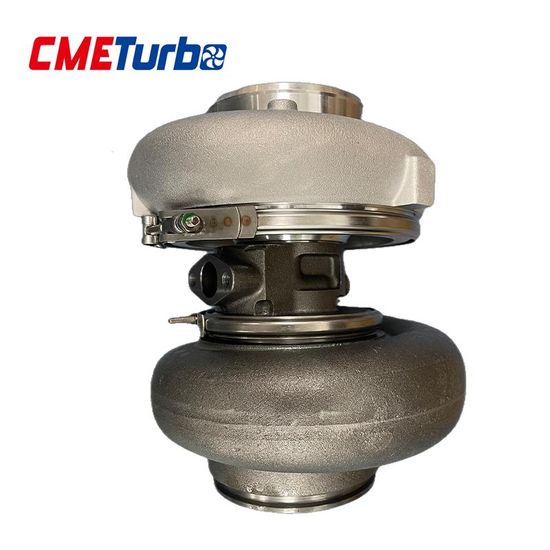
Turbocharger Cm5g-6K682-Gd, Cm5g-6K682-Ge Cm5g6K682gd

Turbocharger AA5e-9g438-Ge AA5e-9g438-Gd AA5e6K682bf AA5e6K682ba AA5e6K692be AA5z6K682D

Turbocharger Cm5g6K682hb, Cm5g6K682HD Cm5g6K682he,

I have found results from2000+products and800+suppliers aboutGe turbocharger part


When sourcing GE turbocharger parts, you must prioritize material integrity and dimensional precision. Key specifications include high-temperature alloy composition (such as Inconel for turbine blades) to withstand extreme thermal stress. Ensure parts meet OEM-equivalent tolerances (often measured in microns) to prevent catastrophic engine failure. For rotating components, dynamic balancing reports are mandatory to ensure operational stability at high RPMs.
Suppliers should ideally hold ISO 9001:2015 for quality management. Since GE turbochargers are often used in marine or locomotive applications, look for Class Society Certifications such as ABS (American Bureau of Shipping), DNV, or Lloyd’s Register. Compliance with ASTM standards for metal casting and forging is also essential to guarantee the structural soundness of the parts under high-pressure environments.
Request Non-Destructive Testing (NDT) reports, such as X-ray or Magnetic Particle Inspection (MPI), to check for internal cracks or casting defects. It is also advisable to ask for hardness testing and spectrographic analysis results to confirm the chemical makeup of the alloys. For critical components like cartridges (CHRA), ask for a VSR (Vibration Sorting Rig) balancing certificate to ensure the part performs reliably under real-world load conditions.
GE turbocharger parts are primarily used in heavy-duty diesel engines for locomotives, marine propulsion, and stationary power generation. Buyers must provide the specific GE part number (e.g., 7S series) and the engine model number to ensure 100% compatibility. Even slight variations in housing geometry or blade pitch can lead to surging or insufficient boost pressure, affecting engine efficiency.
The biggest risks include material substitution (using inferior alloys) and logistical damage due to the weight and sensitivity of the components. To mitigate this, use Made-in-China.com's Secured Trading services to ensure payment is only released after quality verification. Always insist on seaworthy, anti-corrosion packaging (VCI bags and reinforced wooden crates) to prevent rust during long-term sea transit.
Focus negotiations on warranty terms and technical support rather than just the lowest unit price. A standard industrial warranty should be at least 12 to 18 months. For bulk orders, negotiate a staggered payment schedule (e.g., 30% deposit, 70% after third-party inspection but before shipment). Mentioning that you are sourcing via Made-in-China.com can often encourage suppliers to provide more comprehensive factory audit reports to secure your trust.
These parts are heavy and classified under specific HS Codes (typically 8414.90). Ensure the supplier provides a Certificate of Origin to potentially benefit from preferential trade tariffs. Because these are precision components, air freight is recommended for urgent repairs to minimize downtime, while LCL/FCL sea freight is more economical for routine stock replenishment. Ensure all wood packaging is heat-treated (ISPM 15) to avoid customs delays.
Always verify the supplier's business license and export qualifications. Utilize the Audit Reports available on Made-in-China.com to check the supplier's production capacity and R&D capabilities. For high-value orders, hiring a third-party inspection agency (like SGS or Intertek) to perform a pre-shipment inspection at the factory is the most effective way to ensure the goods match the technical data sheets.