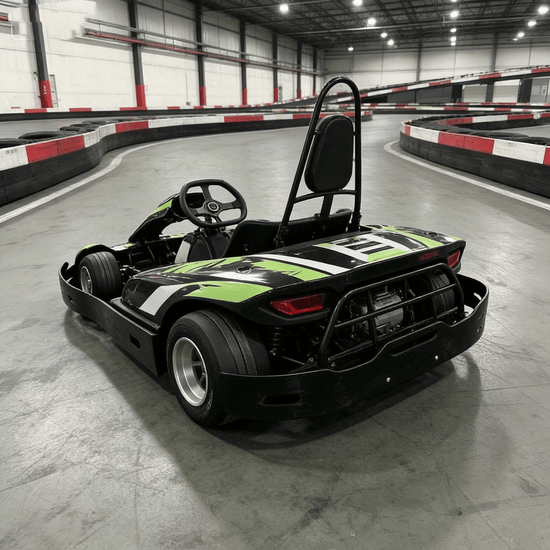
Premium Kids Electric Go-Kart with Safety Harness and Custom Colors

Kids Safe Pedal Go-Kart with Customization Options and USB Port

Adjustable Speed Go-Kart for Kids with Durable Fleet Design

I have found results from600+products and200+suppliers aboutKids electric go kart


When sourcing electric go karts for children, prioritize the motor power (typically 200W to 500W) and battery capacity (24V or 36V) to ensure a balance between safety and performance. Look for brushless motors as they offer higher efficiency and lower maintenance. Additionally, verify the maximum load capacity (usually 50kg to 100kg) and the adjustable frame length to accommodate growing children, ensuring a longer product lifecycle for the end consumer.
Compliance is non-negotiable for children's products. For the US market, ensure products meet ASTM F963-17 and CPSIA standards. For the EU, EN71 (Parts 1, 2, and 3) and CE marking are mandatory. Since these are electrical goods, UL or IEC 62133 certification for the lithium batteries and UN38.3 for transportation safety are critical to prevent customs seizures and ensure user safety.
Focus on the chassis material, preferably high-tensile steel with powder coating to prevent rust. Inspect the braking system; a combination of electronic brakes and mechanical disc brakes provides the highest safety level. Furthermore, check the tire material—EVA tires are puncture-proof and quiet for indoor use, while inflatable rubber tires offer better traction and shock absorption for outdoor terrains.
To stand out, look for suppliers offering parental speed control (3-speed limiters), Bluetooth connectivity for music, and LED lighting systems. Features like a drift mode (slick rear wheels) or App integration for remote diagnostics and locking can significantly increase the retail value and appeal to tech-savvy parents.
The main risk involves battery safety and shipping regulations. Lithium batteries are classified as Class 9 Dangerous Goods. You must ensure the supplier provides a Material Safety Data Sheet (MSDS) and a Safe Transport Report. Failure to provide these can lead to shipment rejection by carriers or heavy fines at the port of entry.
Always request a pre-shipment inspection (PSI) by a third party like SGS or Intertek. In your contract, specify that the final payment is contingent upon a successful inspection report. Negotiate for a 1-2% spare parts allowance (such as extra controllers, chargers, and fuses) to be included in the bulk order to handle minor after-sales issues without shipping individual parts internationally.
Due to the size and weight, Sea Freight (LCL or FCL) is the most viable option. For large orders, FCL (Full Container Load) significantly reduces the risk of damage during transit. If you are sourcing from Made-in-China.com, utilize their Secured Trading Service to protect your payment until the Bill of Lading is confirmed, and consider DDP (Delivered Duty Paid) terms if you want the supplier to handle all customs and duties.
Check if the supplier is an Audited Supplier on Made-in-China.com. Review their Factory Audit Reports to confirm they have their own assembly lines rather than being a pure trading company. Look for a proven track record of exports to your target region, as they will be more familiar with your local voltage requirements (110V vs 220V) and plug types.