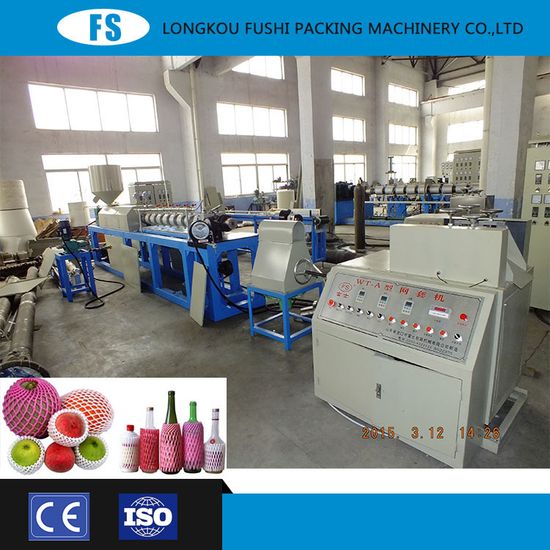
Ldpe foam fruit net extruder manufacturers
I have found results from4000+products and1000+suppliers aboutLdpe foam fruit net extruder
Sourcing guidance for Ldpe Foam Fruit Net Extruder
What are the key technical specifications to evaluate when purchasing an LDPE foam fruit net extruder?
When selecting an extruder, prioritize the screw diameter and L/D ratio (typically 30:1 or 33:1) to ensure uniform plasticization. Check the expansion ratio capability, as high-quality machines should produce nets with consistent cell structures. Ensure the motor is equipped with an Inverter/Variable Frequency Drive (VFD) for energy efficiency and precise speed control. Additionally, verify the cooling system efficiency, as stable temperature control is critical for preventing foam collapse.
Which compliance standards and certifications are essential for this machinery?
For international trade, the machine must carry a CE Certification to meet European safety standards. If exporting to the US, ensure electrical components comply with UL standards. Since the end product (fruit nets) contacts food, the extruder's materials and the blowing agents used (like Butane gas) must align with FDA or REACH food-grade safety regulations to ensure the final packaging is non-toxic.
How can I assess the production capacity and economic feasibility of the equipment?
Calculate the output per hour (kg/h) against your target market demand; standard lines usually range from 15kg/h to 50kg/h. Evaluate the scrap rate—high-end extruders should maintain a waste rate below 3%. Consider the foaming agent injection precision, as over-consumption of butane or talcum powder significantly increases operational costs. Request a Total Cost of Ownership (TCO) analysis including power consumption (kW/h) and labor requirements.
What are the critical maintenance requirements for ensuring a long machine lifespan?
The screw and barrel should be made of 38CrMoAlA nitrogen-treated steel for wear resistance. Regular maintenance must include checking the high-pressure butane pump for leaks and cleaning the die head to prevent blockages that cause uneven net density. Ensure the supplier provides a wear-parts kit (heaters, thermocouples, and filters) to minimize downtime during peak harvest seasons.
Cross-Border Procurement & Risk Management for Heavy Machinery
How can I mitigate the risks of purchasing heavy industrial equipment from overseas?
Always conduct a factory audit or third-party inspection (such as SGS or BV) before final payment. Use Made-in-China.com's Secured Trading services to ensure funds are only released upon proof of shipment. Request a video running test (FAT - Factory Acceptance Test) using your specific raw material grade to verify the machine reaches the promised density and speed before it leaves the factory.
What are the best practices for negotiating with Chinese machinery suppliers?
Focus negotiations on the warranty period (aim for 18-24 months) and the inclusion of on-site installation and commissioning. Negotiate for spare parts for 2 years of operation to be included in the initial price. Clarify the Incoterms clearly; for large extruders, CIF or CFR is often preferred, but ensure the seller uses professional sea-worthy vacuum packaging to prevent rust during ocean transit.
What logistics and installation precautions should be taken for an extruder line?
Due to the length of the extrusion line, ensure you have a 40HQ container and verify the loading plan to prevent structural bending. Confirm if the supplier provides remote technical support via AR or video call if engineers cannot travel due to visa restrictions. Ensure your factory has the necessary industrial power supply (3-phase) and gas storage safety permits for the butane blowing agent before the machine arrives.