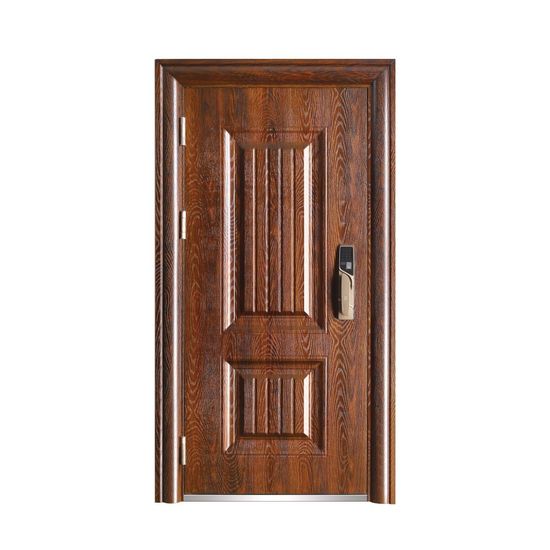
Mahogany wood price manufacturers
I have found results from400+products and200+suppliers aboutMahogany wood price
Sourcing guidance for Mahogany Wood Price
How to evaluate the quality and authenticity of Mahogany wood?
Authentic Mahogany (Swietenia macrophylla) is prized for its straight grain, reddish-brown hue, and exceptional durability. When sourcing, buyers must verify the moisture content (ideally 8-12% for furniture grade) to prevent warping. Check for uniformity in color and the absence of pinholes, which could indicate insect infestation. High-quality Mahogany should have a high density and a natural luster that deepens over time.
What are the key technical specifications for industrial Mahogany procurement?
Buyers should specify the lumber grade (e.g., FAS - First and Seconds) to ensure maximum clear cuttings. Key metrics include Janka hardness ratings (typically around 800-900 lbf for African varieties and higher for Cuban/Honduran) and dimensional stability coefficients. Ensure the wood is kiln-dried (KD) rather than air-dried to guarantee stability for high-end cabinetry or musical instrument manufacturing.
Which compliance standards are mandatory for international Mahogany trade?
Due to environmental protections, Mahogany is often subject to CITES (Convention on International Trade in Endangered Species) Appendix II regulations. Importers must ensure the supplier provides a Phytosanitary Certificate and a Certificate of Origin. For the US market, compliance with the Lacey Act is mandatory, while EU buyers must adhere to EUTR (EU Timber Regulation) to prove the wood was legally harvested.
How does the usage scenario affect the price and selection of Mahogany?
For outdoor marine use, select species with higher natural oil content like African Mahogany (Khaya). For luxury indoor furniture, Honduran Mahogany is preferred for its workability and grain. Price varies significantly based on thickness (measured in quarters, e.g., 4/4, 8/4) and whether the boards are quartersawn (more stable/expensive) or flatsawn. Bulk industrial buyers should prioritize S4S (Surfaced on Four Sides) finishing to reduce local processing costs.
Cross-Border Mahogany Purchasing Precautions
What are the primary risks in cross-border Mahogany sourcing?
The biggest risk is illegal logging documentation fraud. Always use third-party inspection services (like SGS or Intertek) to verify the wood species via lab testing if necessary. Another risk is shipping damage due to humidity changes; ensure the container uses desiccants and proper dunnage to maintain the wood's integrity during long sea voyages.
How can buyers negotiate better prices with Mahogany suppliers?
Negotiate based on volume tiers and long-term contracts. Suppliers on Made-in-China.com often offer 10-20% discounts for full container loads (FCL) compared to Less than Container Loads (LCL). Discuss Incoterms clearly (FOB is recommended) to maintain control over freight costs, and ask for bundled pricing if purchasing different dimensions of lumber.
What transaction security measures should be taken?
Never pay the full amount upfront. Utilize Letter of Credit (L/C) or Escrow services provided by reputable platforms. Ensure the Proforma Invoice (PI) explicitly states the botanical name, moisture content, and grading standard. Verify the supplier's business license and export permits specifically for timber products before transferring any funds.
What is the best method for shipping Mahogany to international destinations?
For bulk timber, Ocean Freight in 20ft or 40ft containers is the most economical. Ensure the wood is palletized and shrink-wrapped to prevent moisture absorption. For high-value veneers or instrument blanks, Air Freight may be used to minimize transit time, but it significantly increases the Total Cost of Ownership (TCO).