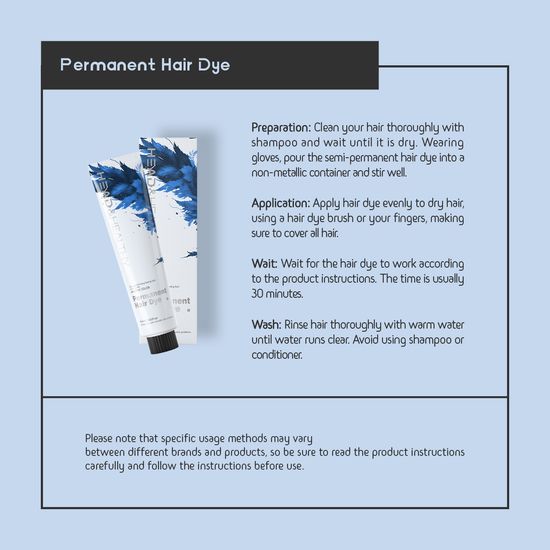
Ammonia Free Organic Hair Dye Natural Herbal Hair Dye Black Shampoo

Best Natural Instant Color Shampoo Hair Dye

Herbal Natural Darkening Black Hair Color Shampoo Hair Dye for White Gray

I have found results from400+products and200+suppliers aboutNatural herbal hair dye


Selecting a supplier for natural herbal hair dye requires a focus on ingredient transparency and chemical safety. You must prioritize manufacturers that provide a full ingredient list (INCI) to ensure the product is truly 'natural' and not just 'herbal-based' with hidden synthetic irritants. Look for suppliers with GMP (Good Manufacturing Practice) and ISO 22716 certifications, which are the gold standards for cosmetic production quality. Additionally, verify if they have R&D capabilities to provide customized formulations, such as ammonia-free or PPD-free variants, to meet specific market demands.
Compliance is the most critical barrier in the cosmetic trade. For the US market, products must comply with FDA labeling requirements, and certain color additives must be batch-certified. For the EU market, a Cosmetic Product Safety Report (CPSR) is mandatory, and the product must be registered via the CPNP portal. Ensure the supplier can provide a Material Safety Data Sheet (MSDS) and a Certificate of Analysis (COA) for every batch to prove the absence of heavy metals like lead, mercury, and arsenic, as well as harmful microbial contaminants.
Do not rely solely on marketing text. Request third-party certifications such as ECOCERT, COSMOS, or USDA Organic. For herbal dyes like Henna or Indigo, ask for purity test reports to ensure no synthetic dyes (like PPD) have been added to speed up the coloring process. Authentic herbal dyes usually require longer processing times; if a 'natural' product claims to color hair in 5 minutes, it likely contains synthetic boosters that may not align with your brand's 'natural' positioning.
Evaluate the color fastness (resistance to fading after 20+ washes) and the pH level, which should ideally be between 5.5 and 7.0 to maintain hair health. Request information on the particle size of the powder (finer powders offer better coverage) or the viscosity of cream-based dyes to ensure ease of application. It is also essential to test the gray hair coverage rate, as natural dyes often struggle with stubborn grays compared to chemical alternatives.
The primary risks include formula inconsistency between samples and bulk orders, and seizure by customs due to improper labeling or prohibited ingredients. To mitigate this, use Made-in-China.com's Secured Trading services to ensure payment is only released upon successful quality inspection. Always conduct a pre-shipment inspection (PSI) to verify that the ingredients on the packaging match the approved sample and local regulations.
For natural hair dyes, MOQs for private labels typically range from 1,000 to 3,000 units. If you are a startup, negotiate for 'tiered pricing' where the supplier allows a lower MOQ for the first order at a slightly higher unit price, with a commitment to increase volume later. Focus the negotiation on packaging customization (OEM) and ask if they can provide free eco-friendly packaging design services to add value to your brand.
Natural products are sensitive to temperature and humidity. Ensure the shipping terms specify cool, dry storage during transit to prevent oxidation or mold growth, especially for powder-based dyes. For liquid or cream dyes, check for leak-proof packaging seals. When shipping to countries with strict biosecurity laws (like Australia or the US), ensure the herbal ingredients are heat-treated or irradiated if required to pass agricultural inspections.
Always communicate and complete transactions through reputable B2B platforms like Made-in-China.com, which offer Audit Reports for suppliers. These reports verify the supplier's factory location, production capacity, and legal status. Avoid direct wire transfers to unknown accounts; instead, use escrow-style payment systems that provide a dispute resolution mechanism in case the goods do not meet the agreed-upon specifications.