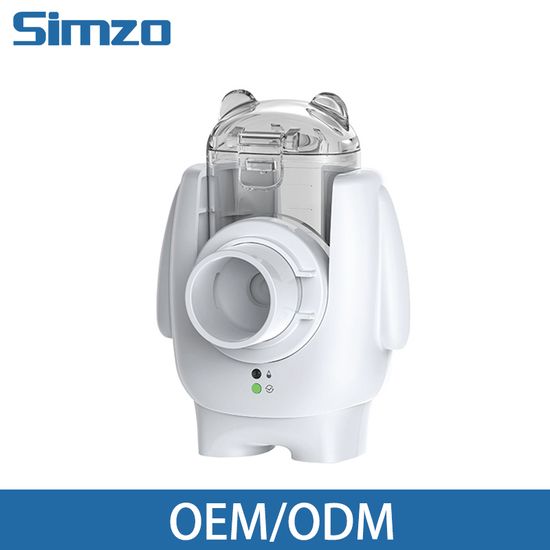
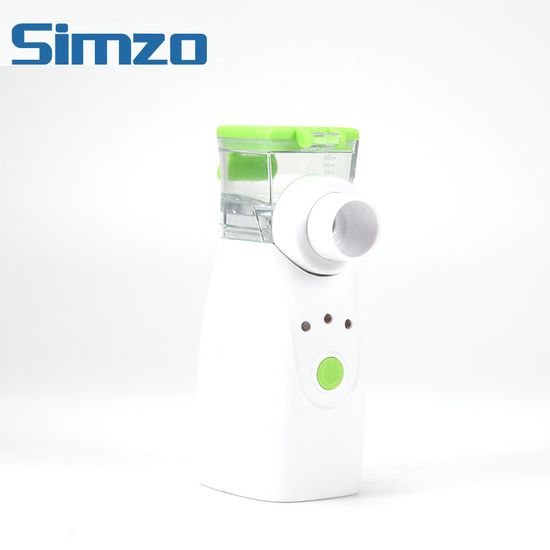
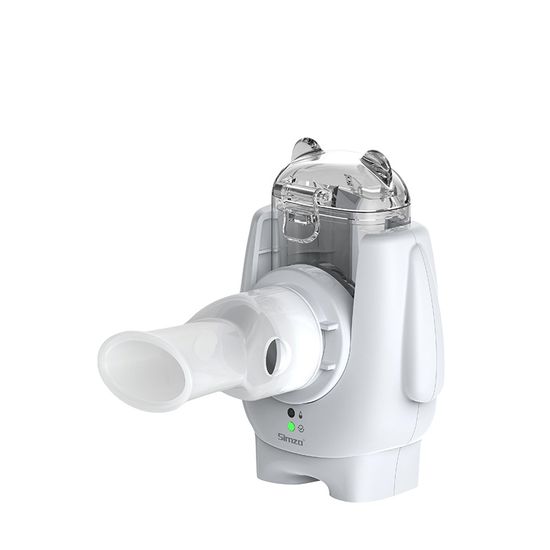
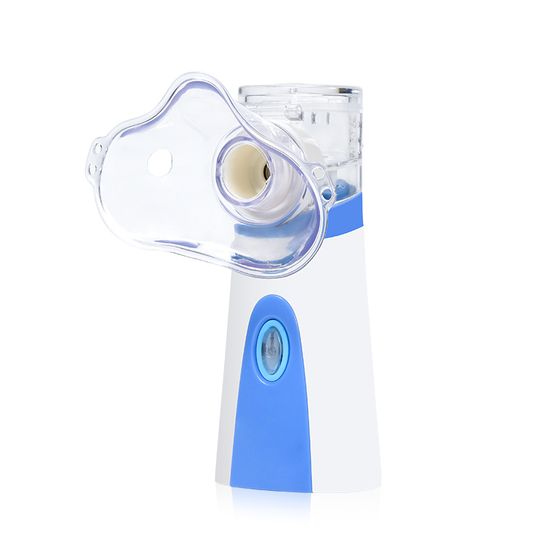
Nebulizer Mini Nebulizer Medical Portable Atomizer Rechargeable

Mini Nebulizer Portable Nebulizer for Kids for Travel or Home Daily Use

Portable Mini Mesh Nebulizer Machine Handle Steam

I have found results from400+products and200+suppliers aboutNebulizador portable mini nebulizer


When evaluating a portable mini nebulizer, prioritize the Mesh Technology (Vibrating Mesh) over traditional ultrasonic models for better medication efficiency. Key specs include a Particle Size (MMAD) of 1-5μm to ensure deep lung penetration, a Nebulization Rate of ≥0.2ml/min, and a Residual Volume of <0.1ml to minimize medication waste. Ensure the device operates at a Noise Level below 30dB for discreet use and features a Dual Power Supply (USB and AA batteries) for maximum portability.
As a Class II medical device, compliance is non-negotiable. You must verify that the supplier holds an ISO 13485 certification for medical device quality management. For the US market, FDA 510(k) clearance is required; for the EU, CE Marking (MDR 2017/745) is essential. Additionally, ensure the product meets RoHS and REACH standards to guarantee the absence of hazardous substances in the plastic components and mask.
The medication cup is the most critical component. Look for suppliers using Medical-grade Polycarbonate (PC) or ABS plastics that are BPA-free. The mesh plate should be made of Titanium alloy or Stainless Steel to prevent corrosion. Ask if the cup features an Automatic Cleaning Mode to prevent clogging and ensure the supplier provides replacement cups as separate SKUs, as these parts typically need replacing every 6-12 months.
The biggest risk is Customs Seizure due to lack of proper medical registration or incorrect HS Code classification. Always use HS Code 901920 for therapeutic respiration apparatus. Another risk is Battery Compliance; if the unit contains internal Lithium batteries, you must provide UN38.3 test reports and MSDS for air freight, otherwise, the shipment may be rejected by the carrier.
Start by requesting a Product Technical File (PTF) and a Sample for Clinical Validation. Negotiate a Milestone Payment structure via secured channels, releasing the final 70% only after a Pre-shipment Inspection (PSI) by a third party like SGS or Intertek. Specifically, ask the supplier to include a 2% defect allowance or spare medication cups in the bulk order to offset potential functional failures during the warranty period.
For mini nebulizers, Air Freight or Express (DHL/FedEx) is preferred over sea freight to avoid prolonged exposure to high humidity and temperature fluctuations in containers, which can degrade the sensitive mesh components. Ensure the packaging includes Anti-static shielding and shock-absorbent foam. For large volumes, consider LCL (Less than Container Load) but insist on Palletization to reduce handling damage.