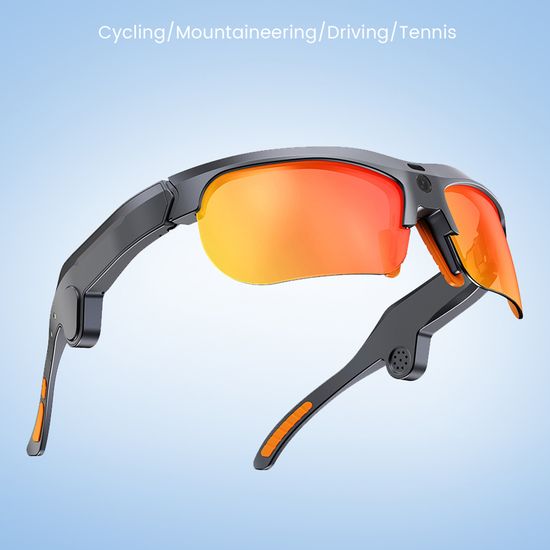
Unique Design Flexible Photochromic Polarized Cycling Glasses UV400 Outdo Sport Eyewear

Anti Impact UV 400 PC Coating Sports Glasses Snow Eyewear with Replacement Lens

Magnetic Dual PC Lens Skiing Sports Eyewear with Removable Strap

I have found results from1000+products and400+suppliers aboutOutdo sports eyewear


When sourcing sports eyewear, prioritize polycarbonate or Trivex lenses for their superior impact resistance and lightweight properties. Ensure the frames are made from TR-90 (Grilamid), a thermoplastic material known for its extreme durability, flexibility, and memory retention. For optical performance, look for UV400 protection to block 100% of UVA and UVB rays, and consider polarized lenses to reduce glare in high-brightness environments like cycling or water sports.
For the North American market, products must meet ANSI Z87.1 for high-velocity impact resistance and FDA 21 CFR 801.410 (Drop Ball Test). For the European Union, CE marking is mandatory, specifically compliance with EN ISO 12312-1:2013 for sunglasses. If the eyewear is intended for specific sports like racquetball or baseball, verify compliance with ASTM F803 standards to ensure maximum eye safety.
Request a hinge cycle test report to ensure the temples can withstand at least 20,000 openings/closings. Conduct a salt spray test if the eyewear will be used in coastal or high-sweat environments to check for coating corrosion. Additionally, verify the anti-fog coating longevity by subjecting the lenses to rapid temperature changes; high-quality coatings should remain clear for at least 30 seconds under steam exposure.
A top-tier supplier should provide modular lens replacement systems, allowing users to swap between photochromic, mirrored, and clear lenses. They should also offer adjustable nose pads and temple tips made of hydrophilic rubber (like Unobtainium) to increase grip when wet. Ensure the manufacturer can provide 3D prototyping services and support laser-etched branding on the lens or frame without compromising structural integrity.
The biggest risk is intellectual property (IP) infringement, especially regarding patented frame designs or lens technologies. Always perform a patent search and ensure the supplier provides an authorization letter for any branded components. Another risk is non-compliant labeling; ensure the 'Country of Origin' and 'Category Filter' (0-4) are clearly marked on the product to avoid customs seizures.
Focus on tiered pricing models where the unit cost decreases by 15-25% as volume moves from 500 to 2,000 units. Negotiate for free spare parts (e.g., extra screws, nose pads, or microfiber pouches) instead of just lower prices. For new designs, request a mold fee rebate policy where the initial tooling cost is refunded once cumulative orders reach a specific volume (e.g., 5,000 units).
Utilize Secured Trading Services provided by Made-in-China.com to ensure payment is only released upon confirmation of shipment. Always insist on a Pre-Shipment Inspection (PSI) by a third party like SGS or Intertek to verify that the AQL (Acceptable Quality Level) meets your standards (typically 1.5 for major defects and 4.0 for minor defects) before final payment.
Due to the high value-to-weight ratio, Air Freight or Express Courier (DHL/FedEx) is often preferred for initial batches to ensure fast market entry. For bulk orders, use LCL (Less than Container Load) sea freight but ensure the supplier uses double-walled corrugated export cartons and moisture-proof inner packaging to prevent frame warping or lens scratching during long-duration transit.