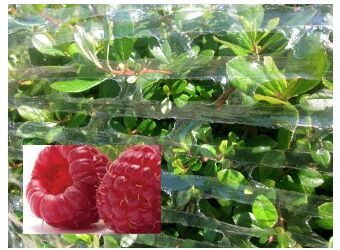
Perforated Stretch Film Protective Film for Fruits/Flowers

Machine Winding Perforated Stretch Film Vanted Polyethlene Hand Wrapping Protection Film

Perforated Film

I have found results from2000+products and600+suppliers aboutPerforated stretch film


Perforated stretch film, also known as breathable wrap, is specifically designed for products that require airflow and ventilation. It is essential for fresh produce (fruits and vegetables) to prevent ripening gases like ethylene from building up, hot-fill products (such as canned goods or beverages) to prevent condensation and rust, and frozen foods to speed up the freezing process. Unlike standard film, it prevents moisture buildup and mold growth while maintaining pallet stability.
Buyers should focus on the Reinforced Edge technology, which ensures the film doesn't tear despite the perforations. Key metrics include Elongation at Break (typically 150%-300%), Tensile Strength, and Micron Thickness (typically 12-20μm). Ensure the supplier uses 100% Virgin LLDPE (Linear Low-Density Polyethylene) to guarantee maximum clarity and puncture resistance. For automated wrapping, confirm the Pre-stretch ratio compatibility with your machinery.
While the unit price may be higher than standard film, it offers significant Total Cost of Ownership (TCO) savings by reducing product spoilage and moisture damage. Furthermore, because the film is lighter (due to the holes), it reduces plastic consumption by weight, helping companies meet ESG (Environmental, Social, and Governance) goals and reducing waste disposal taxes in regions like the EU.
If the film is used in the food supply chain, it must comply with FDA (U.S. Food and Drug Administration) or EU Regulation No 10/2011 regarding plastic materials intended to come into contact with food. Suppliers should provide Migration Test Reports and be certified under ISO 9001 for quality management and ISO 22000 or BRCGS for food safety packaging standards.
The biggest risk is insufficient load tension, where the film breathes but fails to hold the pallet securely during transit. Another risk is inconsistent hole patterns, which can lead to film breakage on high-speed wrappers. To mitigate this, always request a technical data sheet (TDS) and a sample roll to test on your specific wrapping equipment before placing a bulk order.
Focus on Volume-Based Pricing and Long-term Contracts. Since LLDPE prices fluctuate with global oil markets, negotiate a price adjustment formula based on raw material indices. Ask for customized perforation sizes (macro vs. micro holes) at no extra cost for large orders, and request Free Samples to verify the 'cling' properties of the film.
Utilize Secured Payment services provided by platforms like Made-in-China.com to ensure funds are only released upon proof of shipment. For first-time orders exceeding $10,000, hire a third-party inspection agency (like SGS or Intertek) to perform a Pre-Shipment Inspection (PSI) to verify roll weight, film thickness, and hole integrity.
Stretch film is heavy and dense, making Sea Freight (FCL - Full Container Load) the most economical choice. To optimize costs, ensure the supplier uses heavy-duty pallets and moisture-proof outer packaging for the rolls to prevent core deformation during long sea voyages. For urgent needs, LCL (Less than Container Load) is viable, but ensure the rolls are protected from crushing by other cargo.