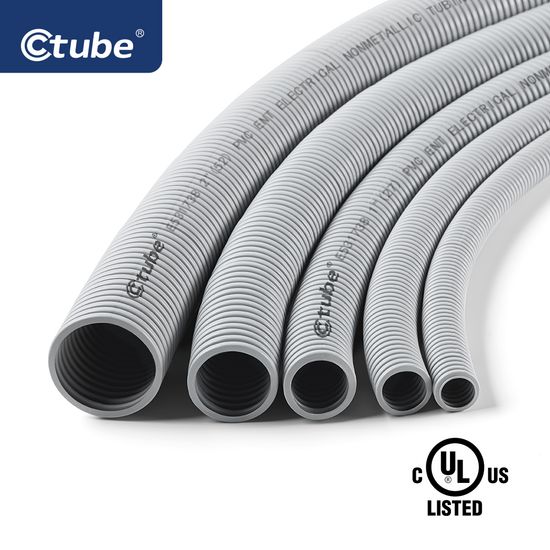
PVC Flexible Corrugated Conduit

Australia Standard PVC Conduit Flexible Conduit Corrugated Conduit

25mm White/Black/Grey/Orange PVC Flex. Corrugated Hose Pipe Conduit

1/2", 1", 3/4" PVC Corrugated Pipe Plastic Flexible Conduit for Cable Protection

I have found results from1000+products and300+suppliers aboutPvc corrugated conduit price


When sourcing PVC corrugated conduits, the price is heavily influenced by the raw material purity (virgin vs. recycled PVC) and the wall thickness. High-quality conduits should meet UL 1660 or EN 61386 standards to ensure flame retardancy and compression strength. Buyers should prioritize products with high flexibility and impact resistance, as cheaper alternatives often crack under pressure or during cold-weather installation. Always request a technical data sheet to compare the crush resistance rating (measured in Newtons) against the quoted price.
The primary cost drivers include the nominal diameter (ranging from 16mm to 50mm), the IP rating (e.g., IP65 or IP68) for water and dust resistance, and UV stabilization for outdoor use. Conduits with self-extinguishing properties (V0 flammability rating) will carry a premium but are essential for building safety compliance. Additionally, the internal friction coefficient is a critical factor; a smoother interior allows for easier wire pulling, reducing labor costs during installation.
To ensure market entry and safety, verify that the supplier holds CE, RoHS, and ISO 9001 certifications. For the North American market, UL listing is often mandatory, while AS/NZS 2053 is required for Australia and New Zealand. Ensure the supplier provides Third-Party Test Reports from recognized bodies like SGS or Intertek to validate claims regarding halogen-free properties or low smoke emission.
To maximize value, buyers should look for tiered pricing models where discounts of 10-20% are applied to Full Container Loads (FCL). Since conduits are lightweight but bulky, shipping volume optimization is key; consider 'nesting' different sizes (putting smaller conduits inside larger ones) if the supplier allows, to reduce freight costs per unit. Also, evaluate the standard coil length (e.g., 25m, 50m, or 100m) to minimize waste during on-site installation.
The most significant risk is material substitution, where a supplier uses a higher percentage of recycled plastic than sampled, leading to brittleness and failure to meet fire codes. To mitigate this, use Made-in-China.com's 'Secured Trading' services and mandate a Pre-Shipment Inspection (PSI) to verify the weight and flexibility of the production batch against the approved sample.
PVC prices are tied to global crude oil and resin market trends. When negotiating, try to lock in a fixed price for a specific duration (e.g., 3-6 months) or agree on a price adjustment formula based on a public plastic resin index. This protects your margins from sudden raw material spikes during the production lead time.
Because PVC conduits have a high volume-to-weight ratio, sea freight is the only economically viable option for bulk orders. Buyers should use FOB (Free On Board) terms to maintain control over shipping lines and avoid inflated 'hidden' destination charges often found in CIF terms. Ensure the packaging includes UV-resistant wrapping if the goods will be stored in open yards during transit or at the destination port.
Always conduct business with Audited Suppliers on Made-in-China.com, as these companies have undergone on-site verification of their manufacturing capabilities. Use Escrow-based payment methods where funds are only released upon confirmation of the Bill of Lading (B/L) and quality documents. Avoid making full upfront payments; a standard 30% deposit and 70% balance against the B/L copy is the industry norm for protecting buyer capital.