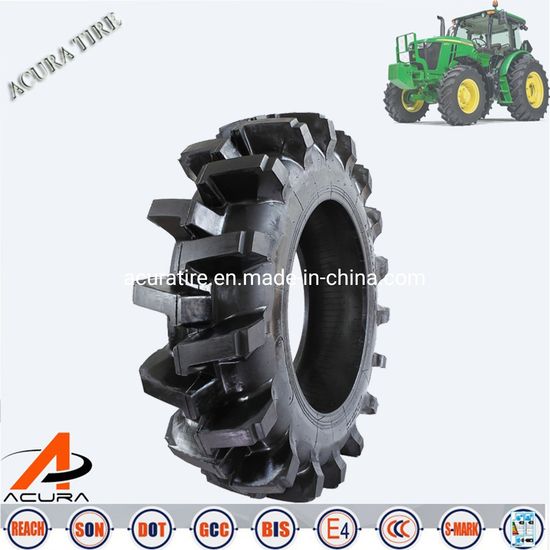
Super Deep Pattern Agricultural Tyres Japanese Pattern for Rice and Cane Tractor 13.6-26 13.6X26 13.6 26

ATV Tire for Palm Field 21X10.00-10 21*10-10 21X10-10

400-9 400-10 500-12 500-14 600-12 600-14 Farm Tractor Tyre Kubota Tracor Tyres

I have found results from600+products and300+suppliers aboutRice and cane tractor tires


Rice and Cane tires are specialized for extremely wet and muddy conditions. You must prioritize extra-deep tread depth (R-2 classification), which is typically twice as deep as standard R-1 tires. Ensure the lug angle is designed for high self-cleaning capability to prevent mud buildup. Additionally, verify the ply rating (PR); for heavy-duty agricultural work, a 10-ply or 12-ply rating is often required to handle high torque and prevent punctures in tough stubble.
Compatibility hinges on three factors: Rim Diameter, Section Width, and Aspect Ratio. You must match the ISO/ETRTO metric size (e.g., 480/70R38) or standard inch size (e.g., 18.4-38) exactly. Furthermore, check the Load Index and Speed Symbol to ensure the tires can support the tractor's weight plus the weight of implements like plows or harvesters during operation.
To ensure safety and durability, prioritize suppliers with ISO 9001 for manufacturing quality management. For specific markets, look for DOT (US Department of Transportation) or ECE (Economic Commission for Europe) markings. Since these tires operate in harsh environments, ask for ozone resistance and aging test reports to ensure the rubber compound won't crack under intense UV exposure in tropical rice or cane fields.
The primary advantage is superior traction in submerged soil. The increased lug height allows the tire to reach firmer soil beneath the mud layer. This reduces wheel slippage, which in turn lowers fuel consumption and prevents soil compaction. For cane plantations, the reinforced sidewalls are critical to resist stubble damage from harvested stalks.
The biggest risks are high shipping costs due to volume and deformation during transit. Tires are bulky and heavy; if not stacked correctly in the container, the beads can deform, making them difficult to mount. Always negotiate proper loading patterns and consider FOB (Free On Board) terms to maintain control over your logistics costs and insurance.
Look for the 'Audited Supplier' badge on Made-in-China.com, which indicates the supplier has been verified by third-party agencies like SGS or Bureau Veritas. Review their Audit Reports to check their production capacity and factory photos. It is highly recommended to use Star Direct or similar secure payment services to protect your funds until the goods are shipped.
Focus on Tiered Pricing based on container loads (e.g., 20GP vs. 40HQ). Since rubber prices fluctuate, try to lock in a price validity period of at least 30 days. Additionally, negotiate for 1-2% spare parts or 'adjustment' credit to cover potential manufacturing defects, as returning a single heavy tire internationally is not cost-effective.
Be aware of Anti-Dumping Duties (ADD) which some countries impose on tires from specific regions. Check your local customs tariff code (HS Code 4011.70) to calculate import duties. Ensure the supplier provides a Certificate of Origin, which may qualify you for reduced tariffs under Free Trade Agreements (FTAs).