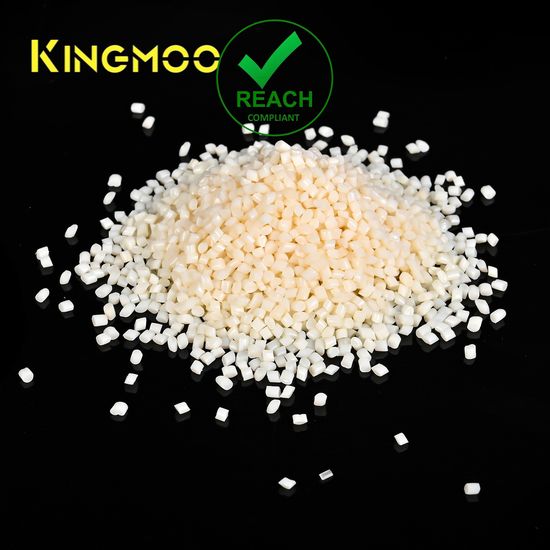
Wood Pellets 100% Natural Pure Wood Hardwood Pellets for Grilling Pure Biofuel

Runtai Supply Top Quality Competitive Price Wood Pellets

Wood Pellets A1 6mm 8mm Pakcing in 15kg Bag

I have found results from1000+products and400+suppliers aboutRubber wood pellet price


The price of rubber wood pellets is primarily driven by their calorific value (typically 4,000-4,500 kcal/kg), moisture content (should be <10%), and ash content (ideally <3%). High-quality pellets use 100% pure rubber wood sawdust without chemical binders. Buyers should also verify the bulk density (min 600 kg/m³) and mechanical durability (>97.5%) to ensure the pellets do not crumble during transport or clog industrial burners.
To ensure market entry and environmental safety, prioritize suppliers who meet ENplus (A1 or A2) or DINplus standards. For buyers in the EU or North America, FSC (Forest Stewardship Council) certification is often mandatory to prove the rubber wood is sourced from sustainably managed plantations. Additionally, ensure the product complies with SGS or Intertek laboratory reports regarding heavy metal limits and sulfur content.
For industrial power plants or large-scale boilers, price-efficiency is key, and slightly higher ash content may be acceptable. However, for residential heating or biomass stoves, you must procure premium-grade pellets with low ash (<1%) to prevent clinker formation. If the pellets are intended for animal bedding, ensure they are de-dusted and free from sharp splinters to protect livestock health.
The Total Cost of Ownership (TCO) includes the FOB price plus ocean freight, import duties, and local warehousing. Since pellets are a low-value, high-volume commodity, logistics costs can account for 30-50% of the final price. Sourcing from regions with high rubber tree density (like Southeast Asia) via Made-in-China.com can offer competitive pricing, but buyers must calculate the energy-to-cost ratio to ensure biomass remains cheaper than coal or gas in their local market.
The most significant risk is moisture absorption during sea transit, which can ruin the entire shipment. Always insist on waterproof jumbo bag packaging (1 ton/bag) or 25kg PE bags with UV protection. Another risk is weight discrepancies; ensure the contract specifies certified weighbridge tickets at the port of loading and consider a third-party pre-shipment inspection (PSI) to verify quantity and quality.
Focus on long-term off-take agreements rather than spot purchases. Suppliers are more likely to offer a 10-15% discount if you commit to a monthly volume (e.g., 500+ tons). Negotiate for LC (Letter of Credit) at sight or Usance LC to protect your capital, and try to fix the price for 6-12 months to hedge against seasonal fluctuations in raw material costs.
Always verify the supplier's business license and export permits through the Made-in-China.com audit reports. Use Secured Payment services to ensure funds are only released upon proof of shipment (Bill of Lading). Avoid transferring large deposits to personal bank accounts; always use the company's registered corporate account.
For large volumes, Bulk Vessel (Breakbulk) is the most cost-effective method, though it requires specialized discharge equipment. For medium-sized orders, 20ft or 40ft HC containers are standard. Ensure the shipping line provides desiccant silica gel packs inside the container to manage the 'container rain' effect during long voyages across different climate zones.