SourcingAI

Ultrasonic punching and cutting machine manufacturers

I have found results from400+products and200+suppliers aboutUltrasonic punching and cutting machine

Sourcing guidance for Ultrasonic Punching And Cutting Machine

What are the key technical specifications to consider when selecting an ultrasonic punching and cutting machine?

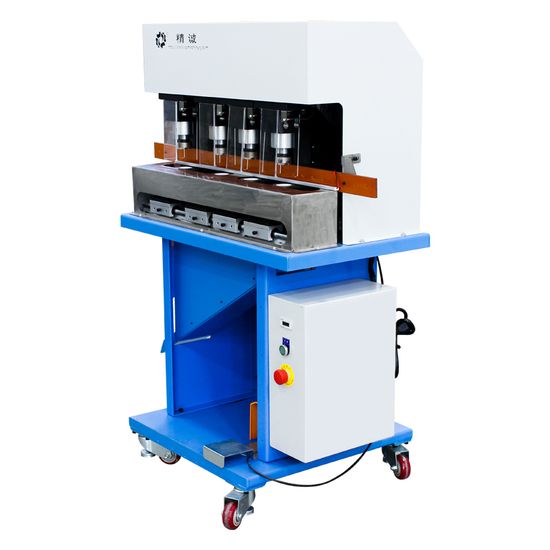
Buyers should prioritize the ultrasonic frequency (typically 20kHz, 30kHz, or 35kHz) based on the material thickness; higher frequencies are better for delicate fabrics. Ensure the generator is digital and intelligent, as it provides automatic frequency tracking to maintain stability during continuous operation. Additionally, verify the cooling system efficiency to prevent transducer overheating during high-speed production cycles.

Which industries and usage scenarios are best suited for this equipment?

This machinery is essential for the textile and garment industry (sealing synthetic fabrics to prevent fraying), automotive interior production (punching acoustic panels), and the medical supplies sector (manufacturing surgical masks and gowns). It is particularly effective for materials with a synthetic content of at least 65%, such as polyester, nylon, and non-woven fabrics, where it achieves a burr-free, soft-edge finish.

What compliance and safety standards should the machine meet for international trade?

For entry into the European market, the machine must have a CE Certification covering both the Machinery Directive (2006/42/EC) and the Electromagnetic Compatibility (EMC) Directive. For the North American market, look for UL or CSA equivalent electrical safety standards. Ensure the equipment includes emergency stop buttons and protective shielding to meet workplace safety regulations.

How can I evaluate the economic feasibility and ROI of this purchase?

Calculate the Total Cost of Ownership (TCO) by factoring in the low energy consumption of ultrasonic technology compared to thermal cutting. The primary economic advantage is the elimination of consumables like needles or adhesives and the reduction in post-processing labor due to the simultaneous cutting and sealing capability. A high-quality machine should offer a service life of 5-10 years with minimal maintenance.

Cross-Border Procurement Strategy & Risk Management

How can I mitigate the risk of receiving substandard industrial machinery?

Always request a Pre-Shipment Inspection (PSI) conducted by a third-party agency like SGS or Intertek. Demand a video demonstration of the machine processing your specific material samples before final payment. On platforms like Made-in-China.com, prioritize Audited Suppliers who have undergone comprehensive on-site verification of their manufacturing capabilities.

What are the best practices for negotiating with Chinese machinery suppliers?

Focus negotiations on the warranty period and spare parts package rather than just the unit price. Request a wear-parts kit (including extra transducers and cutting horns) to be included in the initial price. Clarify the Incoterms clearly; for heavy machinery, FOB (Free On Board) is often preferred to give the buyer control over international freight costs and insurance.

How should I handle technical support and after-sales service across borders?

Confirm that the supplier provides English-language technical manuals and video installation guides. Ask if they offer remote diagnostic support via video call or software integration. For complex automated lines, negotiate a 72-hour response time guarantee for technical queries to minimize potential production downtime in your local facility.

What shipping precautions are necessary for sensitive ultrasonic equipment?

The machine must be packed in a fumigated vacuum-sealed wooden crate to prevent moisture corrosion during sea freight. The ultrasonic generator and transducer are sensitive to vibration; ensure they are secured with shock-absorbing foam and that the crate is marked with 'Fragile' and 'This Side Up' international handling icons.

Related queries