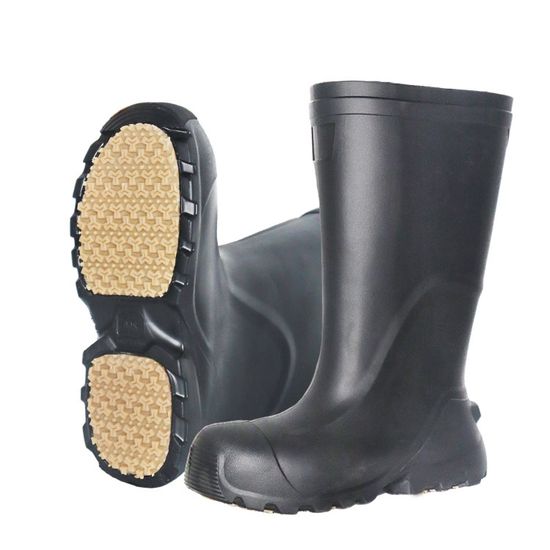
Used Style Desert Boots

High Quality Outdoor Style Boots Tactical Boots Waterproof for Style Use

Black Genuine Leather Men Combat Tactical Style Black Boots

I have found results from10000+products and2000+suppliers aboutUsed military boots


When sourcing used military boots, you must prioritize material integrity and sole condition. Look for boots featuring full-grain leather or high-density nylon (1000D Cordura) uppers. The outsoles should ideally be Vibram® or equivalent oil-resistant rubber with at least 70% tread depth remaining. Ensure the Goodyear welt construction or direct-attach soles are not delaminating, as this affects the boot's waterproof capabilities and structural longevity.
Compliance with health regulations is critical. Suppliers should provide certification of professional disinfection and sterilization processes (such as ozone treatment or chemical sanitization) to eliminate bacteria and fungi. For safety boots, verify if the steel or composite toes still meet ASTM F2413 or EN ISO 20345 standards, ensuring they haven't been compromised by previous heavy impacts.
In the B2B trade, boots are typically categorized into grades: Grade A (Like New/Super Grade) shows minimal wear and no structural damage; Grade B (Used/Good) may have cosmetic scuffs but remains fully functional; Grade C is generally for repair or low-cost markets. Always request a detailed grading manifest and high-resolution photos of the actual batch rather than stock photos to ensure the quality matches your market requirements.
For desert environments, prioritize boots with breathable tan suede and drainage vents. For cold climates, ensure the boots retain their Gore-Tex® linings or Thinsulate™ insulation integrity. For tactical or security use, focus on lightweight EVA midsoles for shock absorption and speed-lacing systems that are still fully operational without frayed laces.
Importing used footwear can trigger stringent phytosanitary inspections in many countries. Furthermore, products with military camouflage patterns or tactical features may be flagged under dual-use goods regulations. Always consult with a customs broker to ensure the HS Code (typically 6403.91 for leather boots) is declared correctly and that the items are clearly marked as 'Used/Second-hand' to avoid being seized as counterfeit or restricted military hardware.
To mitigate risk, use Trade Assurance services provided by reputable platforms like Made-in-China.com. Never pay the full amount upfront; a 30% deposit and 70% balance after a third-party pre-shipment inspection (PSI) is the industry standard. The inspection should include a random sampling (AQL 2.5/4.0) to check for mold, odor, and size distribution accuracy across the bales.
Used boots are heavy and bulky, making Sea Freight (FCL or LCL) the only economically feasible option for large volumes. To optimize costs, request the supplier to use compressed baling or high-density sacks instead of individual boxes, which can increase container capacity by up to 40%. Ensure the shipping documents include a Fumigation Certificate if required by your destination country's port authorities.
Suppliers often sell used boots in mixed lots. Your negotiation strategy should include a fixed size ratio agreement (e.g., 40% sizes 8-10, 40% sizes 10-12, 20% others) to avoid receiving an unsellable inventory of extreme sizes. Demand a detailed packing list that specifies the quantity per size and grade to ensure the economic feasibility of the shipment.