EDTA Type Vacuum Blood Tube with Top Quality

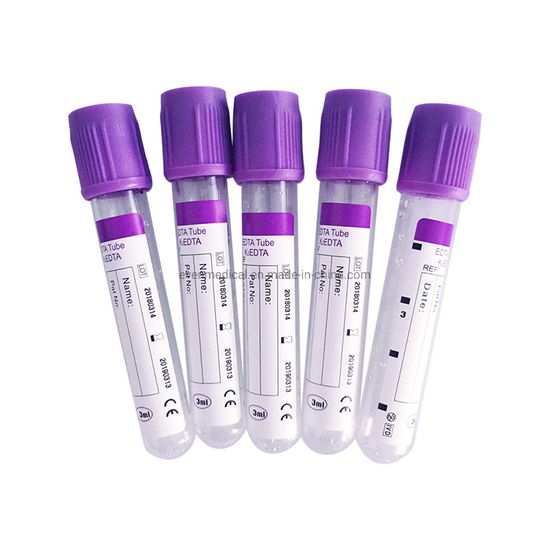
Vacuum Blood Tube with EDTA Type

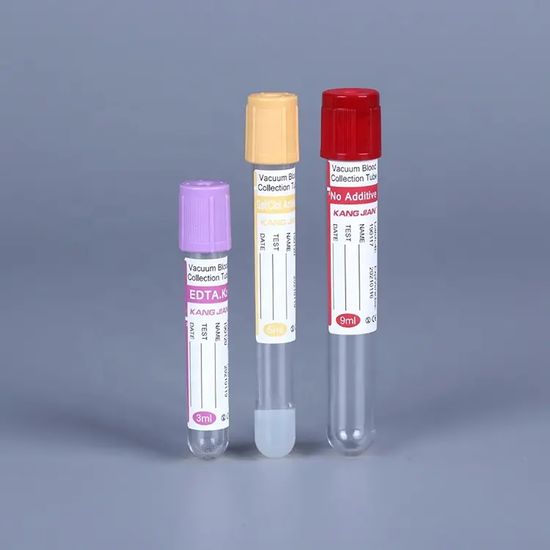
Vacuum Blood Collection Tube (EDTA)

EDTA Medical Vacuum Blood Collection Tube for Pet or Glass

EDTA K2 K3 Blood Tube Medical Vacuum Blood Collection Tubes

I have found results from400+products and200+suppliers aboutVacuum blood tube edta


Buyers must prioritize the additive concentration, typically EDTA-K2 or EDTA-K3, with a standard concentration of 1.5mg to 2.2mg per 1ml of blood. Ensure the tube material is either PET (Plastic) for shatter resistance or Glass for superior gas barrier properties. The vacuum accuracy is critical; look for a tolerance of ±10% of the nominal volume to ensure the correct blood-to-additive ratio, which prevents micro-clotting or cell shrinkage.
As Class II medical devices, these products must adhere to ISO 6710 (Single-use containers for human venous blood specimen collection). Suppliers should hold CE Marking (IVDR) for the European market and FDA 510(k) clearance for the U.S. Additionally, the manufacturer’s facility must be ISO 13485 certified, ensuring a specialized quality management system for medical devices.
High-quality EDTA tubes utilize ultrasonic spray technology to ensure the additive is uniformly distributed on the inner wall. This prevents platelet aggregation and ensures rapid mixing. Request scanning electron microscopy (SEM) reports or perform a centrifugation test on samples to check for 'water beads' or uneven coating, which indicates poor siliconization or additive application.
EDTA tubes are primarily used for Haematology determinations, including CBC, ESR, and blood grouping. For large-scale procurement, ensure a shelf life of at least 18–24 months. Note that PET tubes may lose vacuum faster than glass over time; therefore, verify the expiry date and vacuum stability through accelerated aging test reports provided by the supplier.
The biggest risk is Customs Seizure due to lack of proper medical registration or incorrect HS Code classification (HS Code 3822 or 9027). Always ensure the supplier provides a Certificate of Free Sale (CFS) and that the packaging/labeling complies with the destination country's language and regulatory requirements to avoid costly delays.
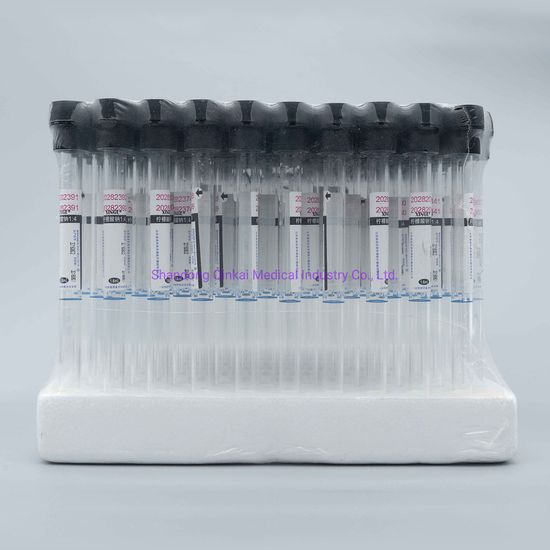
Vacuum tubes are sensitive to temperature and pressure changes. During air freight, extreme pressure drops can affect the vacuum integrity. Negotiate for temperature-controlled shipping (15-25°C) if possible, and insist on reinforced 5-layer corrugated export cartons with internal cushioning to prevent tube breakage and loss of vacuum during transit.
Use secure payment methods and consider third-party pre-shipment inspections. For sourcing via Made-in-China.com, utilize their Secured Trading Service to ensure funds are only released after the quality inspection passes. Specifically, request a Sterility Test Report and a Vacuum Volume Accuracy Test from the inspector before the balance payment.
To maximize cost-efficiency, aim for Full Container Load (FCL) shipments to reduce the per-unit logistics cost. Many top-tier suppliers on Made-in-China.com offer tiered pricing; for example, increasing an order from 50,000 to 200,000 units can often yield a 15-20% price reduction. Additionally, clarify Incoterms—while FOB is standard, CIF might be more convenient for buyers without a dedicated logistics partner.