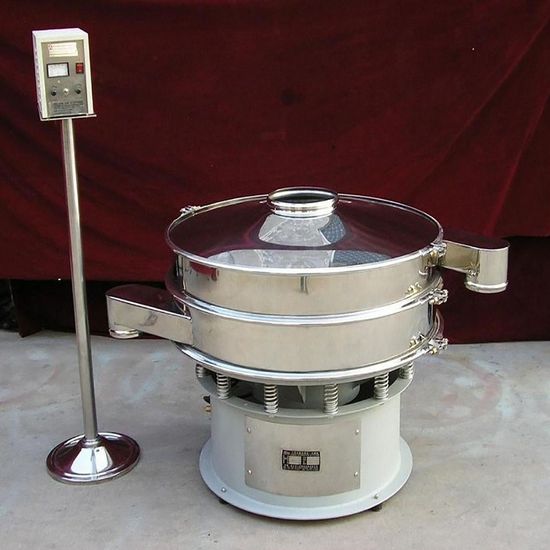
Flour Mill Plansifter Cleaning Sieve Ball Silicone Ball Rubber Ball
Wear Resistance Silicon Rubber Sieve Ball Bouncing Balls for Sieve Vibrator Vibrating Screen Cleaning

I have found results from400+products and200+suppliers aboutWholesale sieve cleaning ball


For food and pharmaceutical applications, it is critical to select FDA-compliant materials such as Food Grade Silicone or Natural Rubber. These materials must be non-toxic, odorless, and resistant to high temperatures. Additionally, ensure the balls are bacterial-resistant and do not leave chemical residues on the sifting mesh.
The diameter of the ball should typically be slightly smaller than the height of the sieve frame to allow for sufficient bouncing. Common sizes range from 20mm to 40mm. Regarding hardness, a Shore A hardness of 50-70 is standard; softer balls provide better bounce at lower frequencies, while harder balls are more effective for dislodging heavy or sticky particles.
Look for balls with a high rebound resilience (above 60%) to ensure they effectively strike the mesh without requiring excessive mechanical force. Seamless molding technology is essential to prevent the balls from splitting, which could lead to batch contamination. Using Polyurethane (PU) balls is often recommended for abrasive materials due to their superior wear resistance.
Buyers should request RoHS and REACH certification to ensure the absence of hazardous substances. For international trade, verify that the manufacturer follows ISO 9001 quality management systems. If the product is intended for the US market, FDA 21 CFR 177.2600 compliance for rubber articles is a mandatory benchmark.
Always request a material test report (MTR) and a pre-shipment sample. Conduct a simple bounce test and compression set test on the sample. For bulk orders, utilize third-party inspection services (like SGS or Intertek) to verify that the chemical composition matches the initial sample, preventing 'material switching' by the supplier.
Focus on Total Cost of Ownership (TCO) rather than just the unit price. Negotiate based on volume-based pricing tiers (e.g., 5,000+ units) and ask for customized packaging (vacuum sealing) to prevent oxidation during long-term sea freight. Mentioning your interest in a long-term partnership can often secure a 5-10% discount on initial trial orders.
Rubber products are sensitive to UV light and extreme heat, which can cause premature aging or 'blooming.' Ensure the supplier uses opaque, moisture-proof inner packaging. For shipping to distant regions, Sea Freight (FCL/LCL) is most economical, but ensure the containers are not placed near the ship's engine room to avoid thermal degradation.
Use Secured Payment services provided by Made-in-China.com to ensure funds are only released upon confirmation of receipt. Clearly define Incoterms 2020 (e.g., FOB or CIF) in the contract to establish liability. Ensure the HS Code (typically 4016.99 or 3926.90) is correctly declared to avoid customs delays and incorrect tariff applications.