
Satisfies 1 requirement
High Speed Aluminum Soft Foldable Tube Production Line
US$800,000.00-900,000.00
1 Piece(MOQ)

200000+ products and 70000+ suppliers results


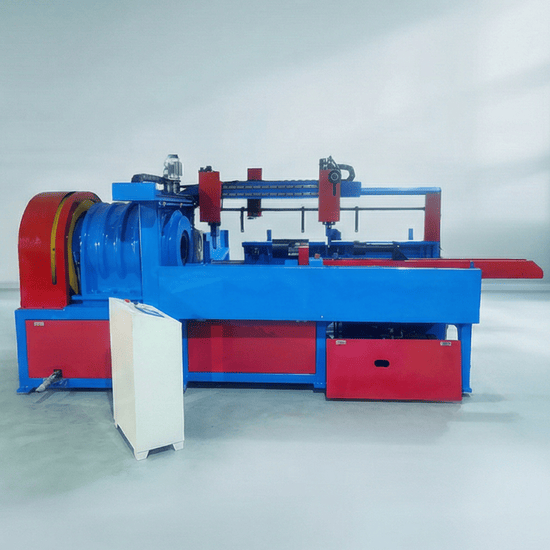


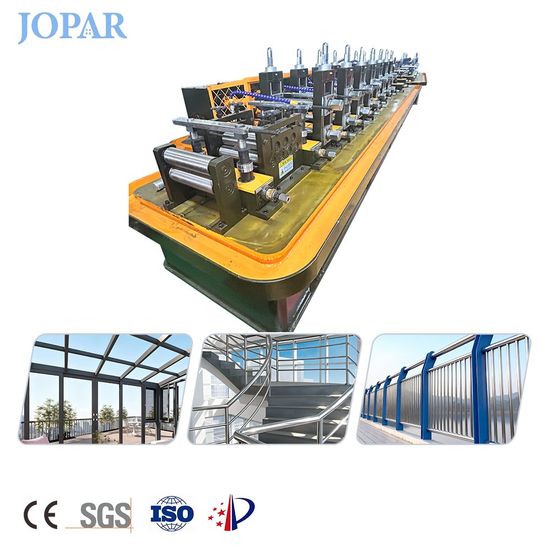


When evaluating a production line, you must prioritize extrusion press capacity (measured in tons, typically ranging from 600T to 5000T depending on tube diameter) and production speed (meters per minute). Ensure the line includes a high-precision cooling system (air or water) to maintain structural integrity and a PLC control system (such as Siemens or Mitsubishi) for automated synchronization. For high-end applications, verify the concentricity tolerance and surface roughness (Ra) capabilities of the finishing equipment.
The equipment must adhere to CE marking for the European market or UL/CSA standards for North America to ensure electrical and operational safety. From a quality management perspective, the manufacturer should be ISO 9001:2015 certified. Additionally, ensure the output tubes can meet industry-specific standards such as ASTM B210 (for aluminum alloy drawn seamless tubes) or EN 755 (for extruded rods/tubes) to satisfy your end-customers.
Calculate the Total Cost of Ownership (TCO), which includes the initial purchase price, energy consumption ratios (kWh per ton of aluminum), and scrap rates. A high-efficiency line should have a material utilization rate of over 95%. Compare the cost of consumable parts (like extrusion dies and cutting blades) and the estimated maintenance intervals. Investing in a line with energy-saving inverter technology can reduce long-term operational costs by 15-25%.
Confirm if the line is compatible with various aluminum alloys (e.g., 1000, 3000, 6000, or 7000 series). Different series require specific heating temperatures and extrusion pressures. Specify your usage scenario—whether for HVAC heat exchangers, automotive fuel lines, or structural construction—as this dictates whether you need a seamless drawing machine or a high-frequency welding setup.
Utilize third-party pre-shipment inspections (such as SGS or Bureau Veritas) to conduct a Factory Acceptance Test (FAT). This ensures the machinery performs to specifications before it leaves the factory. Always use Secure Payment services provided by reputable platforms like Made-in-China.com to ensure funds are only released upon confirmation of shipping documents or successful installation.
Focus on the warranty period and spare parts package rather than just the base price. Negotiate for a 2-year warranty and a 'wear-parts kit' included in the initial cost. Request a detailed installation and training plan, ensuring the supplier provides on-site engineers or comprehensive remote video technical support to minimize downtime during the commissioning phase.
Due to the size and weight, these lines often require Flat Rack containers or Breakbulk shipping. Ensure the supplier uses heavy-duty vacuum packaging and anti-rust coating for all precision surfaces to prevent corrosion during sea transit. Clearly define the Incoterms (e.g., CIF vs. DDP); for heavy machinery, FOB is often preferred by experienced buyers to maintain control over the specialized heavy-lift logistics providers.
Check for anti-dumping duties or specific import tariffs on industrial machinery in your country. Ensure the supplier provides a Certificate of Origin to take advantage of any Free Trade Agreements (FTAs) that may reduce your customs duties. Verify that the HS Code (typically under Chapter 84) is correctly classified to avoid delays or fines at customs.