
Satisfies 1 requirement
12 Micron 40cm×1500m Custom Length & Width Machine Use Food Grade PVC Cling Film for Supermarket Fresh Food Fish & Meat Preservation, FDA & EU 10/2011 Certified
US$9.00-10.00
1,000 Boxes(MOQ)

20000+ products and 10000+ suppliers results


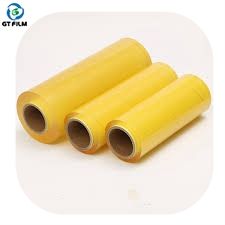


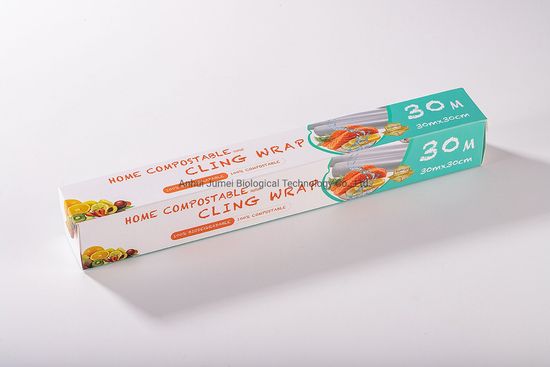


PE (Polyethylene) is the most common for household use, being BPA-free and plasticizer-free, making it safe for fatty foods. PVC (Polyvinyl Chloride) offers superior stretchability and clarity, often used in supermarkets, but requires strict monitoring of non-toxic plasticizers. PVDC (Polyvinylidene Chloride) provides the highest oxygen and moisture barrier, ideal for extending the shelf life of high-value perishables, though it is more expensive.
Buyers must ensure products meet FDA (21 CFR 177.1520) for the US market or EU Regulation No. 10/2011 for Europe. Additionally, look for LFGB (Germany) certification for high-end markets and ISO 22000 for food safety management systems. Always request a Declaration of Compliance (DoC) to verify that migration limits for chemicals are within legal boundaries.
Standard thickness ranges from 8 to 15 microns. Thinner films (8-10μm) are cost-effective for short-term wrapping, while thicker films (12-15μm) offer better puncture resistance. A low Oxygen Transmission Rate (OTR) is critical for preventing oxidation in meats, whereas a higher moisture vapor transmission rate may be preferred for certain vegetables to prevent mold growth.
Prioritize Anti-fogging properties to maintain product visibility in refrigerated displays. For high-speed automated packing lines, ensure the film has consistent unwind tension and excellent heat-sealing strength. If purchasing for retail, a built-in slide cutter is a significant value-add for user safety and waste reduction.
Request a pre-shipment inspection (PSI) by third parties like SGS or Intertek to perform Global Migration Tests. Ensure the supplier provides a Batch Inspection Report for every shipment. On Made-in-China.com, prioritize Audited Suppliers who have undergone comprehensive on-site factory verifications.
Cling film is sensitive to high temperatures; ensure containers are stored away from heat sources on the vessel to prevent the film from fusing or losing its cling properties. Use heavy-duty corrugated pallets and edge protectors to prevent roll deformation during sea freight, as damaged cores can render rolls unusable for automated machinery.
Since plastic prices fluctuate with crude oil markets, negotiate a formula-based pricing model linked to raw material indices (e.g., Platts). Seek volume-based rebates or tiered pricing where the unit cost drops by 5-10% when moving from LCL (Less than Container Load) to a Full 20ft/40ft Container.
Check the specific HS Code (typically 3920.10) against your country's trade policy. Some regions impose anti-dumping duties on Chinese plastic products. To mitigate this, work with suppliers who provide a clear Certificate of Origin and ensure all documentation is transparent to avoid customs delays or unexpected tariffs.