
Satisfies 1 requirement
Ultra Wide 15.6 2K Mobile Gaming PC Monitor Portable IPS Screen Display Multiple Screen Monitores Portatiles for Laptop
US$80.00-89.00
1 Piece(MOQ)

200000+ products and 90000+ suppliers results




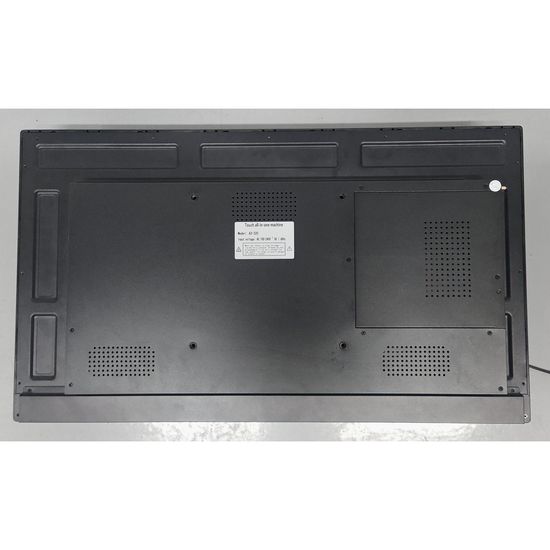


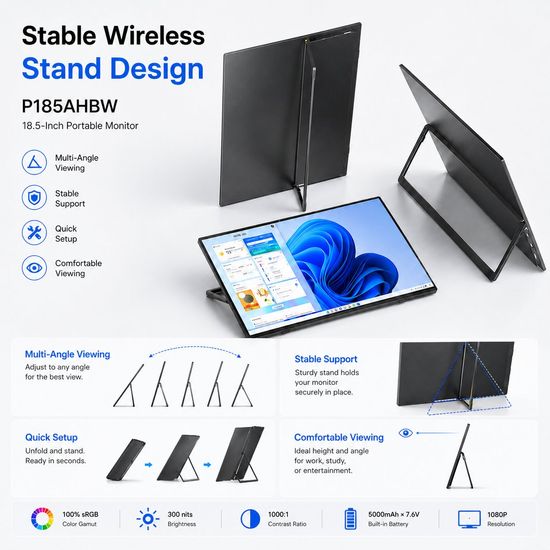
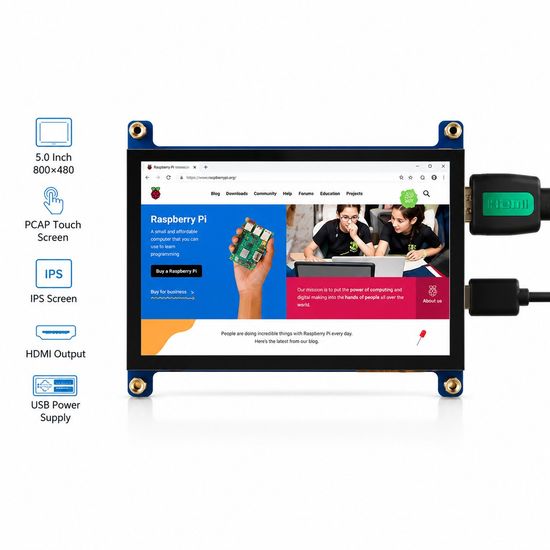





Buyers should prioritize Panel Type (IPS is preferred for color accuracy), Resolution (1080p is standard, 4K for high-end), and Refresh Rate (60Hz for office, 144Hz+ for gaming). Ensure the monitor features USB Type-C (Power Delivery & DisplayPort Alt Mode) and Mini-HDMI ports for universal compatibility. Additionally, verify the Brightness levels (minimum 250-300 nits) and Color Gamut (sRGB 99% or NTSC 72%) to meet professional design standards.
To ensure legal entry into global markets, products must carry CE (Europe), FCC (USA), and RoHS (Hazardous Substances) certifications. For specific regions, look for UKCA (UK), PSE (Japan), or KC (Korea). If the monitor includes a built-in battery, it must comply with UN38.3 and MSDS regulations for safe air and sea transport.
Request information on the Chassis Material, prioritizing CNC Aluminum Alloy over plastic for better heat dissipation and impact resistance. Verify the Hinge Durability (if integrated) or the quality of the Magnetic Smart Cover. Ask for Drop Test Reports and Panel Pressure Test results to ensure the screen can withstand the rigors of frequent travel.
Portable monitors are highly versatile. Focus on Remote Work/Digital Nomads (dual-screen productivity), Gaming (compatible with Switch, PS5, Xbox), Education (online tutoring), and Medical/Industrial (portable diagnostic displays). Offering Touchscreen functionality significantly increases value for creative professionals and POS system users.
The primary risks include Panel Damage during transit and Dead Pixels. Mitigate these by requiring Double-Wall Corrugated Packaging and EPE Foam protection. Strictly define an AQL (Acceptable Quality Level) in your contract, specifying that units with more than 0-3 dead pixels (depending on grade) are considered defective and subject to replacement.
Focus on Tiered Pricing based on volume; for example, aim for a 10-15% discount when moving from 100 to 500 units. Negotiate for OEM Branding (Logo Silk-printing) and Customized Packaging which are often free for orders exceeding 500 units. Always request a Golden Sample before mass production to lock in the quality benchmark.
Utilize Trade Assurance or secure payment methods provided by Made-in-China.com to protect your funds until delivery. For shipping, use Air Freight for small batches to reduce handling time, or Sea Freight (LCL/FCL) for bulk to save costs. Ensure the supplier provides a Commercial Invoice with correct HS Codes (typically 8528.52) to avoid customs delays and incorrect duty applications.