
Satisfies 1 requirement
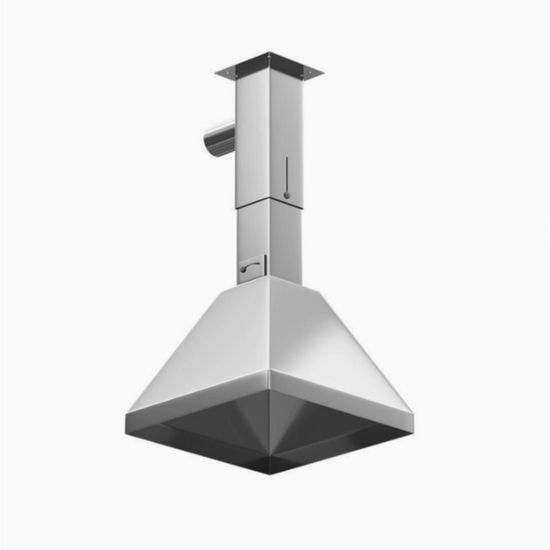
Stainless Steel Chemical Biological Lab Safety Universal Exhaust Fume Hood Cupboard Cabinet
US$1,200.00-1,600.00
1 Piece(MOQ)

10000+ products and 5000+ suppliers results




For laboratory environments involving corrosive chemicals, you should prioritize Grade 304 or 316L stainless steel. Grade 316L offers superior resistance to pitting and crevice corrosion by chlorides. Ensure the thickness is at least 1.2mm to 1.5mm to prevent warping and ensure structural integrity under heavy equipment loads.
Compliance with ASHRAE 110 (USA) or EN 14175 (Europe) is critical, as these standards define the containment efficiency and airflow velocity. Additionally, ensure the electrical components are CE or UL certified, and the manufacturing facility holds an ISO 9001:2015 quality management certification.
A standard safe face velocity is typically 0.5 m/s (100 fpm). You should look for hoods equipped with Variable Air Volume (VAV) compatibility to save energy and airflow monitors with audible/visual alarms that alert users if the containment is compromised.
Consider hoods with tempered safety glass sashes (vertical or horizontal sliding) and integrated LED lighting that is vapor-proof. For plumbing, ensure the inclusion of remote-control gas/water valves and a chemical-resistant PP (polypropylene) cupsink to prevent drainage corrosion.
Yes, professional manufacturers on Made-in-China.com usually offer OEM/ODM services. You can request custom dimensions, specific HEPA or Carbon filter integrations, and specialized worktop materials like epoxy resin or phenolic resin depending on your specific chemical resistance requirements.
Fume hoods are bulky and contain glass components. Insist on seaworthy plywood crate packaging (IPPC heat-treated) rather than simple cardboard. Request photographic evidence of the internal bracing before the container is sealed and consider CIF (Cost, Insurance, and Freight) terms to ensure the cargo is insured against transit damage.
Focus on the Total Cost of Ownership (TCO) rather than just the unit price. Negotiate for extended warranties (2-3 years) and the inclusion of critical spare parts (like sash cables or light ballasts). For large orders, use a staged payment plan (e.g., 30% deposit, 70% after successful third-party inspection and before shipment).
Utilize the Secured Trading services provided by Made-in-China.com to protect your payment. Always conduct a Pre-Shipment Inspection (PSI) through a third-party agency like SGS or Intertek to verify that the airflow performance and material grades match the proforma invoice.
Due to the size, fume hoods are usually shipped via LCL (Less than Container Load) or FCL (Full Container Load). Ensure the supplier provides a Detailed Packing List and HS Code (typically 8414.60) to avoid customs delays. If shipping to the US or EU, verify that the wooden packaging meets ISPM 15 fumigation standards to prevent entry rejection.