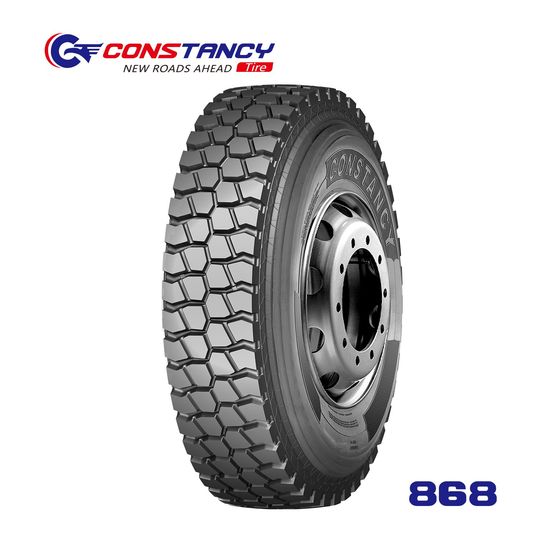
10.00r20-18pr price manufacturers
I have found results from400+products and200+suppliers about10.00r20-18pr price
Sourcing guidance for 10.00r20-18pr Price
What do the technical specifications 10.00r20 and 18pr signify for B2B buyers?
The 10.00r20 indicates a radial tire with a nominal section width of 10 inches designed for a 20-inch diameter rim. The 18PR (Ply Rating) is a critical strength index; it does not necessarily mean 18 physical layers but indicates the tire has the load-carrying capacity equivalent to 18 layers of cotton cord. For heavy-duty logistics, an 18PR rating ensures the tire can handle high inflation pressures and heavy payloads typical in construction and long-haul transport.
Which performance factors should be prioritized when evaluating 10.00r20-18pr tires?
Buyers must evaluate the Tread Compound for wear resistance and the Casing Structure for retreadability. Look for All-Steel Radial (TBR) construction which offers superior heat dissipation. Key performance metrics include Rolling Resistance (impacting fuel efficiency) and Wet Grip Index. For mixed-road conditions, prioritize tires with reinforced sidewalls to prevent lateral impacts and punctures.
What international compliance standards are mandatory for importing these tires?
Depending on the destination market, tires must carry specific markings: DOT for the United States, ECE/E-mark for Europe, GCC/GSO for the Middle East, and CCC for China. Additionally, ensure the manufacturer complies with ISO/TS 16949 quality management systems, which is the global standard for the automotive industry supply chain.
How does the tread pattern affect the usage scenario and price?
The price varies significantly based on the pattern: Steer patterns (rib-type) are designed for fuel efficiency and noise reduction on highways; Drive patterns (lug-type) provide high traction for off-road or climbing; and All-position patterns offer versatility. Deep tread depths (e.g., 15mm-17mm) generally command a higher price but offer a lower cost-per-kilometer (CPK) due to extended service life.
Cross-Border Procurement Strategy for Heavy-Duty Tires
How can buyers mitigate the risk of receiving 'Old Stock' tires?
Always verify the DOT Cycle Code (a 4-digit number representing the week and year of manufacture) before shipment. Tires stored for more than 2-3 years can suffer from rubber oxidation. Request the supplier to provide real-time photos of the DOT codes on the sidewalls and include a clause in the contract that tires must be manufactured within the last 6-12 months.
What are the most effective negotiation strategies for bulk tire orders?
Focus on Annual Purchase Volume (APV) rather than single-order quantity to secure 'Tier 1' pricing. Negotiate for exclusive agency rights in specific regions if you can guarantee volume. Additionally, ask for marketing support (e.g., branded workwear or display racks) and 1%-2% wear-and-tear compensation in the form of free spare tires or tubes to offset potential defects.
What logistics and shipping precautions are unique to 10.00r20 tires?
10.00r20 tires are heavy (approx. 50-60kg per piece). To optimize freight costs, use 'Doubling' or 'Tripling' (stuffing smaller tires inside larger ones) if purchasing mixed sizes, though this is less common for 10.00r20. Ensure the container is moisture-proof to prevent rust on the internal steel beads. For large orders, FOB (Free On Board) is recommended to maintain control over shipping lines and avoid inflated 'hidden' destination charges.
How to ensure transaction security when sourcing from China?
Utilize professional B2B platforms like Made-in-China.com and prioritize Audited Suppliers who have undergone on-site inspections by third-party agencies like SGS or Bureau Veritas. Use Secure Payment services that hold funds in escrow until the Bill of Lading (B/L) is verified, and always conduct a Pre-Shipment Inspection (PSI) to check quantity, weight, and branding accuracy.