Hefei Hemei Electronics Technology Co., Ltd.
Satisfies 3 requirements
- 2165 m²
- 38 staff
- Business Type
- Manufacturer/Factory & Trading Company
- Main Products
- Current Transformer, Core
- R&D Capacity
- ODM, OEM
- Quick Response
- Response Time≤3h

1500 Turns Magnetic Core 0.5mm Thick Material Silicon Steel Toroidal Transformer Core
US$2.00-34.50
100 Pieces(MOQ)
Sample Available
Different Sizes and High-Quality Silicon Steel Toroidal Core for Motors and Generators
US$2.00-24.50
100 Pieces(MOQ)
Sample Available
Factory Low Iron Loss Electrical Steel Silicon Steel Coils Toroidal Transformer Core
US$2.50-30.50
100 Pieces(MOQ)
Sample Available
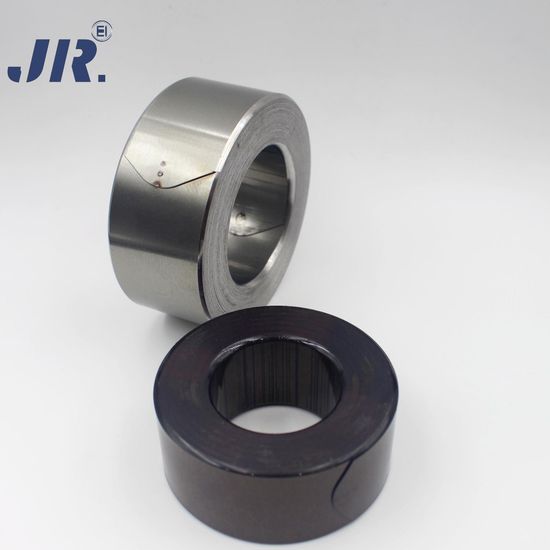
Toroidal Silicon Steel Core with 54mm Hole Size Big Diameter Current Transformer
US$10.00-42.50
100 Pieces(MOQ)
Sample Available
Toroidal Split Core Electric Soft Magnetic Silicon Steel Core for Current Transformer
US$3.00-32.50
100 Pieces(MOQ)
Sample Available
Oriented / Non-Oriented Silicon Steel Ring Core Toroidal Customized Silicon Steel Transformer Core
US$3.50-19.50
100 Pieces(MOQ)
Sample Available
Current Transformer Silicon Steel Sheet CT Core Material Toroidal Transformer Iron Core
US$11.50-84.50
100 Pieces(MOQ)
Sample Available
Toroidal Non-Cut Magnetic Material CT Iron Core by Winding Silicon Steel Core
US$16.50-56.50
100 Pieces(MOQ)
Sample Available
Factory Toroidal Electrical Power Inductor Current Transformer Silicon Steel Split Ring Core
US$2.00-15.50
100 Pieces(MOQ)
Sample Available
Split Core Zero Square Current Transformer Silicon Steel Plastic Case Toroidal Core
US$1.50-18.50
100 Pieces(MOQ)
Sample Available
Current Transformer Toroidal Half-Cut Magnetic Material Silicon Steel Iron Core by Winding
US$4.50-17.50
100 Pieces(MOQ)
Sample Available
Non Oriented Electrical Rolled Toroidal Ring Laminated Core Transformer Core Silicon Steel
US$2.00-26.50
100 Pieces(MOQ)
Sample Available
Current Transformer Toroidal Iron Ring Non-Oriented Silicon Steel Core Transformer Core
US$7.50-29.50
100 Pieces(MOQ)
Sample Available
Premium Silicon Steel Core for Efficient Current Transformers
US$0.50-61.50
100 Pieces(MOQ)
Sample Available