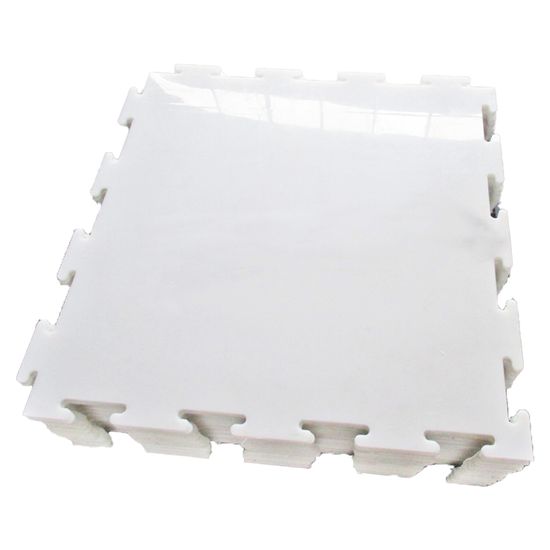
Wholesale Cheap Trainer Hockey Shooting Pad Board Outdoor Synthetic Ice Tiles

Premium Waterproof PVC Floor Tiles for Moisture Resistance

Ultra High Molecular Weight Polyethylene Plastic Products, UHMWPE Press Mold Pressed Board

I have found results from400+products and200+suppliers aboutWholesale hockey tile


Buyers should prioritize High-Density Polyethylene (HDPE) or specialized PP (Polypropylene) materials with UV-stabilizers to prevent brittleness. The tile thickness should be at least 10mm to 13mm to ensure structural integrity. Key performance metrics include a low friction coefficient (simulating ice glide) and impact resistance to withstand heavy puck strikes and skate blade pressure. Ensure the interlocking mechanism is a 'snap-lock' design to prevent shifting during high-intensity lateral movements.
Request third-party lab reports focusing on abrasion resistance and tensile strength. For outdoor installations, verify the weatherability rating (operating temperatures typically ranging from -40°C to 70°C). It is essential to ask for a coefficient of friction test report compared to real ice. A reputable supplier on Made-in-China.com should provide a warranty of at least 3-5 years against cracking or fading.
For the North American market, ensure compliance with CPSIA regarding lead and phthalate content if used in youth facilities. For the European market, REACH and RoHS certifications are vital to ensure no hazardous chemicals are present. Additionally, look for ISO 9001 for manufacturing consistency and Fire Rating Class B1 or B2 if the tiles are intended for indoor commercial arenas.
Hockey tiles are versatile for basement training zones, outdoor multi-sport courts, and professional shooting centers. Maintenance is minimal: regular sweeping to remove grit that could scratch the surface and occasional mopping with mild soap. For dry-land tiles used with skates, applying a silicone-based surface lubricant every 3-6 months can maintain the 'slick' feel of synthetic ice.
The main risks include color inconsistency between batches and warping during maritime transit due to extreme heat in containers. Mitigate this by requesting a pre-shipment inspection (PSI) to verify color matching via Pantone codes and ensuring the tiles are palletized and shrink-wrapped to prevent deformation. Always use Trade Assurance services available on Made-in-China.com to secure your payment until quality is verified.
Focus on Total Cost of Ownership (TCO). While the unit price might be low, shipping volume for bulky tiles is high. Negotiate for tiered pricing (e.g., 500 sqm vs. 1000 sqm) and ask for free edge pieces and corners to be included in the bulk price. If you are a first-time buyer, negotiate a lower MOQ for a trial order by highlighting your long-term distribution potential.
Due to the weight and volume, Sea Freight (FCL or LCL) is the only economically feasible method for wholesale quantities. For orders exceeding 20 cubic meters, a 20GP container is most cost-effective. Ensure the supplier provides an accurate HS Code (typically 391890) to determine correct import duties in your country. For US buyers, be mindful of Section 301 tariffs if sourcing from China and factor this into your landing cost.
Always conduct transactions through verified channels. Look for 'Audited Suppliers' on Made-in-China.com, as these companies have undergone on-site verification by third-party agencies like SGS or Intertek. Avoid direct wire transfers to private accounts; instead, use Escrow-based payment systems that hold funds until the Bill of Lading (B/L) is provided and verified.